

Written and medically reviewed by Dorcas Morak, Pharm.D
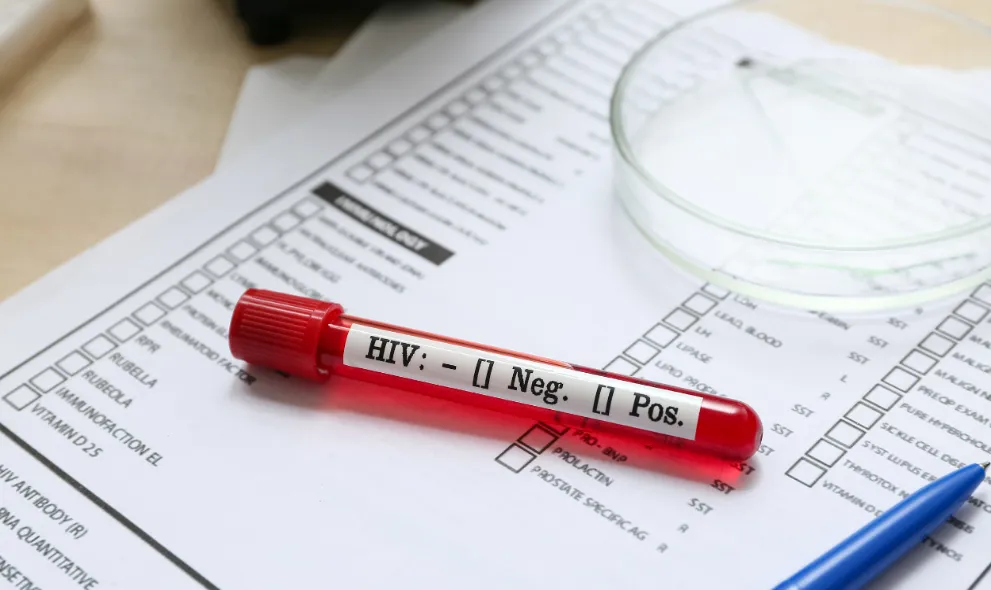
Every year on June 27, National HIV Testing Day reminds Americans that one simple step—getting tested—can protect your health and the health of others. Today, HIV is no longer a fatal diagnosis, but early detection remains critical. More than 1.2 million people in the U.S. are living with HIV, and about 1 in 8 do not know their status.
What Is HIV and How Does It Affect the Body?
Human immunodeficiency virus (HIV) attacks CD4 T-cells, weakening the immune system over time. Without treatment, HIV can progress to AIDS (acquired immunodeficiency syndrome), increasing the risk of serious infections and cancers. Early HIV often has no symptoms, which is why testing is so important.
Early HIV Symptoms: What to Watch For
Some people develop flu-like symptoms within 2–4 weeks of exposure, including:
- Fever
- Fatigue
- Swollen lymph nodes
- Sore throat
- Rash
These symptoms often go unnoticed or are mistaken for other illnesses.
Who Should Get Tested for HIV?
According to the Centers for Disease Control and Prevention:
- Everyone ages 13–64 should be tested at least once
- Higher-risk individuals should test annually or more often, including:
- People with multiple sexual partners
- Individuals who share needles
- Those with a partner living with HIV
- Anyone diagnosed with another STI
Gay and bisexual men may benefit from testing every 3–6 months.
Types of HIV Tests and How Soon They Work
Modern HIV tests are fast and highly accurate:
- Antigen/antibody blood tests: Detect HIV in 18–45 days
- Rapid tests (finger prick or oral swab): Results in ~20 minutes
- At-home tests (e.g., OraQuick): Private and convenient
Understanding the window period—the time between exposure and detection—is key. Testing too early may require repeat testing.
What Happens If You Test Positive for HIV?
A positive result today is manageable with treatment.
With antiretroviral therapy (ART):
- Viral load can become undetectable
- HIV cannot be sexually transmitted (U=U: Undetectable = Untransmittable)
- Life expectancy can be near normal
HIV Treatment Options: Medications That Control the Virus
Most people take a once-daily combination pill. Common options include:
- Biktarvy (bictegravir/emtricitabine/tenofovir alafenamide)
- Triumeq (dolutegravir/abacavir/lamivudine)
- Dovato (dolutegravir/lamivudine)
These medications suppress the virus within 3–6 months for most patients.
What Is PrEP? HIV Prevention Medication Explained
Pre-exposure prophylaxis (PrEP) helps prevent HIV before exposure. Options include:
- Truvada (emtricitabine/tenofovir disoproxil fumarate)
- Descovy (emtricitabine/tenofovir alafenamide)
- Apretude (cabotegravir injection every 2 months)
When taken consistently, PrEP reduces sexual transmission risk by ~99%.
What Is PEP? Emergency HIV Prevention After Exposure
Post-exposure prophylaxis (PEP) is used after potential exposure.
- Must start within 72 hours
- Taken for 28 days
- Common regimens may include tenofovir + emtricitabine + raltegravir
PEP is highly effective when started quickly.
Where to Get HIV Testing Near You
Testing is widely available at:
- Community health clinics
- Primary care offices
- Pharmacies
- Planned Parenthood locations
You can also use the CDC’s online locator or purchase at-home tests like OraQuick.
How to Afford HIV Medications and Related Treatments
HIV medications can be expensive, but several programs can help:
- Ryan White HIV/AIDS Program
- Manufacturer assistance programs
- State and local health services
For other prescriptions related to HIV care—such as:
- Antibiotics for opportunistic infections (e.g., sulfamethoxazole/trimethoprim)
- Antifungals (e.g., fluconazole)
- Cholesterol medications (e.g., atorvastatin)
- Blood pressure medications (e.g., lisinopril)
The RxLess® Assurance Plan offers free digital coupons accepted at over 70,000 pharmacies nationwide, helping reduce out-of-pocket costs on many generic medications.
Why HIV Testing Still Matters Today
HIV testing is simple, fast, and life-saving. Knowing your status:
- Protects your long-term health
- Helps prevent transmission
- Connects you to effective treatment early
On National HIV Testing Day—and any day—the most important step you can take is to get tested.