

Written and medically reviewed by Dorcas Morak, Pharm.D
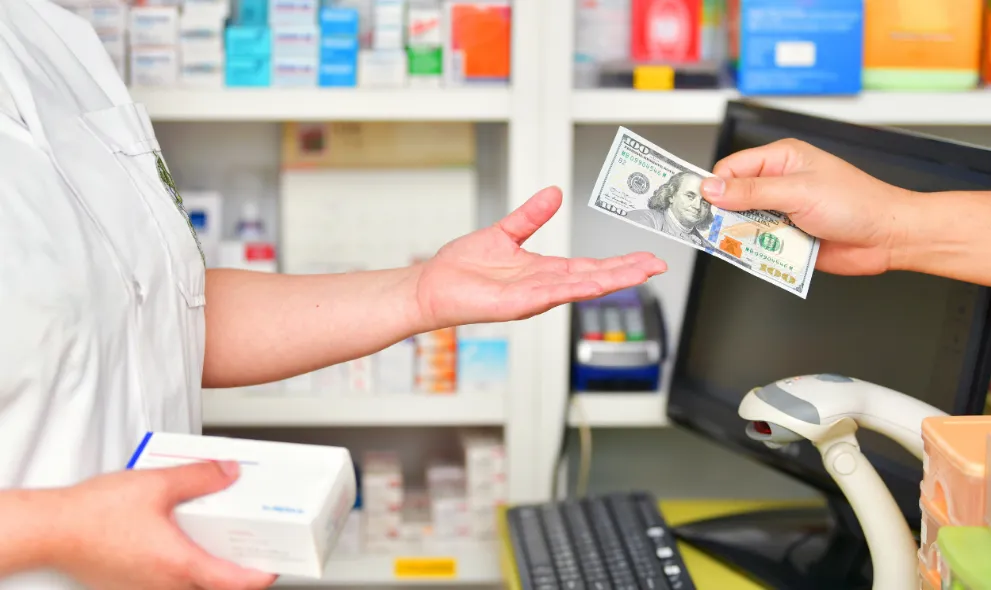
Most Americans assume the price they pay at the pharmacy counter is fixed — a number determined somewhere upstream that they have no power to change. That assumption is wrong, and it costs patients billions of dollars every year. Prescription drug pricing in the United States operates through a layered system of list prices, negotiated rates, copays, and cash discounts that almost no one explains at the point of purchase. Understanding how the system works can help patients make smarter decisions and avoid overpaying for medications.
Why Prescription Drug Prices Differ Between Pharmacies
Unlike most consumer goods, prescription drugs do not carry a universal retail price. Each pharmacy negotiates its own rates with drug wholesalers and pharmacy benefit managers (PBMs), which means the cash price for the same medication can differ dramatically between a big-box retailer, an independent pharmacy, and a national chain — even within the same ZIP code. Pricing differences can become especially noticeable with common generic medications such as atorvastatin, metformin, lisinopril, sertraline, and amlodipine, where one pharmacy may charge several times more than another nearby location.
How Pharmacy Benefit Managers (PBMs) Influence Drug Prices
Pharmacy benefit managers sit between insurance companies and pharmacies, negotiating drug prices and determining which medications appear on insurance formularies. The rebates and fees flowing through this system often have little connection to what a patient ultimately pays at the pharmacy counter.
Critics of the PBM system argue that complex rebate structures and pricing arrangements contribute to higher out-of-pocket costs for uninsured and underinsured patients. While PBMs can help negotiate lower pricing for some medications, the prescription pricing system itself often remains confusing for consumers to navigate.
When Paying Cash for Prescriptions Is Cheaper Than Insurance
Many patients are surprised to learn that paying cash for a prescription can sometimes cost less than using insurance. In some cases, a medication’s insurance copay may actually be higher than the pharmacy’s cash discount price. When that happens, paying out of pocket using a prescription discount coupon found through the RxLess® marketplace may be the less expensive option.
For example, generic medications such as atorvastatin, metformin, lisinopril, or sertraline may cost only a few dollars through the RxLess® marketplace, while insurance copays for the same medications can sometimes be significantly higher depending on the patient’s deductible or formulary tier.
Why Insurance Doesn’t Always Give You the Lowest Prescription Price
Insurance plans negotiate pricing through formularies and tier systems, but negotiated insurance pricing is not always lower than pharmacy cash prices or discount pricing. Pharmacies may occasionally offer lower direct-pay pricing on widely prescribed generic medications than what a patient would pay through insurance.
This is especially common for patients enrolled in high-deductible health plans who have not yet met their deductible. Comparing both insurance pricing and discount pricing at the pharmacy counter can help patients identify the lowest available option.
Do Prescription Discount Cards Count Toward Your Deductible?
This is an important detail that many patients do not realize until they are at the pharmacy counter. When you use a prescription discount card instead of insurance, the purchase generally does not count toward your annual deductible or out-of-pocket maximum.
For patients taking low-cost generic medications, the immediate savings may outweigh the deductible trade-off. However, for expensive brand-name or specialty medications, patients may prefer to use insurance if meeting their deductible is financially important later in the year.
Brand-Name vs. Generic Drug Prices: Why Generics Cost Less
Generic drugs contain the same active ingredient, dosage, strength, route of administration, and intended use as their brand-name counterparts and are required by the FDA to demonstrate bioequivalence. Despite offering the same therapeutic benefit, generic medications are often dramatically less expensive because multiple manufacturers compete once brand-name patent protections expire.
For example, brand-name Lipitor once cost well over $100 per month, while generic atorvastatin is now commonly available at a fraction of that price. Similar savings exist for many medications used to treat high blood pressure, diabetes, depression, allergies, and acid reflux.
Why Some Generic Drugs Are Still Expensive
Not all generic medications are inexpensive. When only one or two manufacturers produce a generic medication, limited competition can keep prices elevated — a phenomenon sometimes associated with drug shortages or temporary monopoly pricing.
Certain medications, including generic albuterol inhalers, thyroid medications such as levothyroxine (Synthroid) and liothyronine (Cytomel), and psychiatric medications such as aripiprazole (Abilify), quetiapine (Seroquel), and bupropion (Wellbutrin), have all experienced periods of unexpectedly high pricing despite being generics.
How Patient Assistance Programs Help Lower Prescription Costs
Many pharmaceutical manufacturers operate patient assistance programs (PAPs) designed to help qualifying individuals obtain medications at reduced cost or even free of charge. These programs are often aimed at uninsured patients or those with limited income.
Some assistance programs cover expensive medications including insulin products such as insulin glargine (Lantus) and insulin lispro (Humalog), as well as newer diabetes and weight management medications like empagliflozin (Jardiance) and semaglutide (Ozempic).
Eligibility requirements and application processes vary by manufacturer, so patients should review program details carefully or ask their pharmacist or healthcare provider for guidance.
Can a 90-Day Prescription Supply Reduce Costs?
For many maintenance medications, yes. If your provider approves, filling a 90-day prescription instead of a 30-day supply may save you money by reducing per-unit costs and minimizing refill fees or copays. This strategy is especially helpful for chronic medications such as:
- Lisinopril (for hypertension)
- Sertraline (for depression and anxiety)
- Levothyroxine (for hypothyroidism)
- Atorvastatin (for high cholesterol)
You can use the day-supply filter in the RxLess® app or website to see which pharmacies offer the best long-term savings.
Ask the Pharmacist to Compare Prices
Many patients do not realize pharmacists can often compare insurance pricing against the discount pricing found through the RxLess® marketplace directly at the point of sale. Asking the pharmacy team to check both options may reveal significant savings, particularly for generic medications or during deductible periods.
Since prescription prices can change frequently, comparing options before every refill can help patients avoid unexpectedly high costs.
The Best Way to Save Money on Prescription Medications
Compare prices before filling your prescription — every time. The difference between the highest and lowest price for the same medication at pharmacies only a few miles apart can easily exceed 200% or more.
Most patients never comparison shop because they assume prices are fixed or believe insurance automatically provides the lowest price. In reality, prescription pricing is highly variable, and checking multiple options remains one of the most effective ways to reduce medication costs.
While generic medications often see the largest percentage discounts, savings on brand-name and specialty medications can vary significantly depending on manufacturer pricing, pharmacy contracts, and available patient assistance programs.
How the RxLess® Assurance Plan Helps Patients Compare Prescription Prices
The RxLess® Assurance Plan helps patients compare real-time prescription prices at more than 70,000 pharmacies nationwide, making it easier to identify lower-cost options before arriving at the pharmacy counter. Patients can search medications, compare nearby pharmacy pricing, and access free digital coupons directly from their phone or computer.
For many commonly prescribed medications used to treat conditions such as high blood pressure, diabetes, high cholesterol, allergies, asthma, and depression, prices can vary dramatically between pharmacies located only a few miles apart. The RxLess® marketplace helps uncover those pricing differences quickly so patients can make more informed decisions about where and how to fill their prescriptions.
The RxLess® app is free to use, requires no membership fee, and can provide savings of up to 88% on many generic medications. Because prescription pricing changes frequently, comparing prices before every refill remains one of the simplest and most effective ways to avoid overpaying for medications.