

Written and medically reviewed by Dorcas Morak, Pharm.D
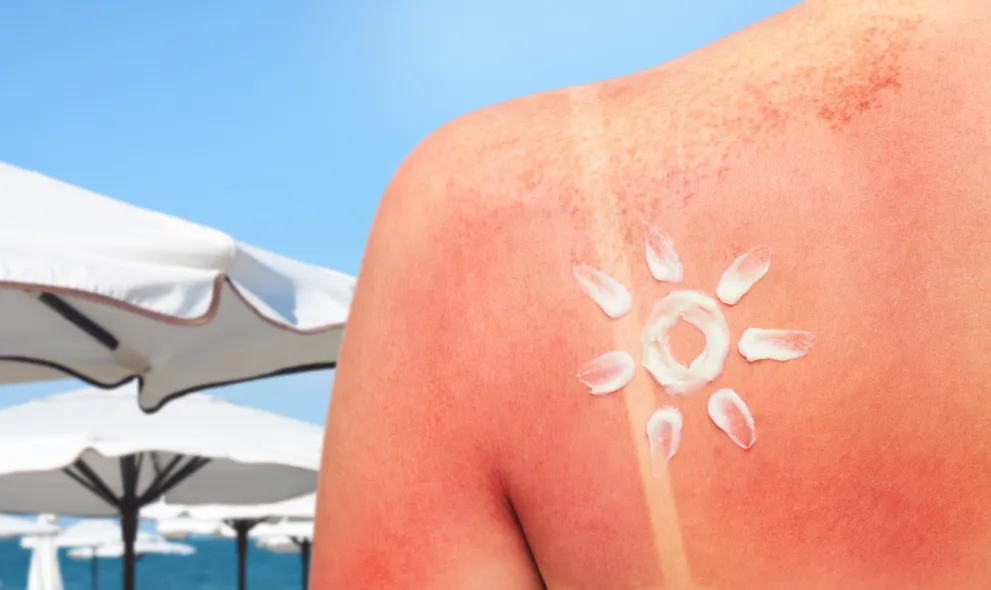
July is UV Safety Month, recognized annually to remind Americans that ultraviolet radiation poses risks far beyond temporary sunburn. For millions of people living with chronic skin conditions — or taking medications that increase UV sensitivity — summer sun exposure can lead to painful flares, lasting skin damage, and symptoms that may require medical treatment.
Understanding which skin conditions are triggered or worsened by ultraviolet (UV) exposure, along with how to manage and prevent those reactions, can help protect your skin throughout the summer months.
What Is UV Safety Month and Why Does It Matter?
UV Safety Month is observed every July by public health organizations including the American Academy of Dermatology and The Skin Cancer Foundation to raise awareness about the dangers of ultraviolet radiation. The campaign focuses on both natural sunlight and artificial UV exposure from tanning beds, which the World Health Organization classifies as a Group 1 carcinogen.
Excessive UV exposure increases the risk of skin cancer, premature skin aging, hyperpigmentation, and inflammatory skin flare-ups. For people with photosensitive skin conditions, even limited time outdoors can trigger significant symptoms.
How UV Exposure Triggers Chronic Skin Conditions
Ultraviolet radiation damages skin cells and activates inflammatory and immune responses within the body. In people with certain chronic skin disorders, this inflammation can worsen redness, itching, rashes, swelling, or autoimmune activity.
Heat, sweating, and sunburn can also weaken the skin barrier, making flare-ups more difficult to control during warmer months.
Lupus and Photosensitivity: Why Sunlight Causes Flares
Photosensitivity affects up to 90% of people with systemic lupus erythematosus (SLE), making sunlight one of the most recognized lupus flare triggers. UV exposure can activate the immune system in lupus patients, leading to the classic butterfly rash across the cheeks and nose, joint pain, fatigue, and worsening systemic inflammation.
Even brief sun exposure may trigger symptoms in some individuals, which is why strict sun protection is often recommended as part of lupus management.
Best Medications for Lupus-Related Sun Sensitivity
Hydroxychloroquine remains one of the cornerstone medications used to manage lupus and reduce photosensitivity reactions over time.
Depending on symptom severity, healthcare providers may also prescribe:
- Topical corticosteroids for skin inflammation
- Oral prednisone for acute flare control
- Immunosuppressants such as azathioprine (Imuran)
- Mycophenolate mofetil (CellCept) for more severe systemic disease
Patients with lupus are often advised to use broad-spectrum sunscreen daily and wear protective clothing outdoors.
Rosacea Flare Triggers and Sun Protection Tips
Sun exposure is one of the most commonly reported triggers for rosacea, a chronic inflammatory skin condition that causes facial redness, visible blood vessels, flushing, and acne-like bumps.
UV radiation dilates blood vessels near the skin surface and increases inflammation, which can worsen rosacea symptoms significantly during summer months. Heat and humidity may also intensify flare-ups.
Daily use of broad-spectrum SPF 30 or higher sunscreen is considered essential for many people with rosacea.
What Treatments Are Used for Rosacea?
Common rosacea treatments include:
- Metronidazole gel or cream (MetroGel®, MetroCream®)
- Azelaic acid (Finacea®)
- Ivermectin cream (Soolantra®)
- Brimonidine gel (Mirvaso®) for persistent facial redness
For moderate to severe rosacea, oral anti-inflammatory antibiotics such as doxycycline (Oracea®) or low-dose minocycline may also be prescribed.
Summer Eczema Flares: Heat, Sweat, and Sun Exposure
Eczema (atopic dermatitis) has a complex relationship with sunlight. Some people experience temporary improvement from controlled UV exposure, while others develop worsening symptoms from heat, sweating, and skin irritation during summer months.
High temperatures can increase itching and disrupt the skin barrier, making flare-ups more difficult to manage. Chlorine from pools, outdoor allergens, and excessive sweating may also contribute to eczema irritation during warmer weather.
What Medications Help Control Eczema Flares?
Topical corticosteroids remain among the most common eczema treatments, including:
- Hydrocortisone
- Triamcinolone
- Clobetasol for more severe flares
Non-steroidal treatment options include:
- Tacrolimus (Protopic®)
- Pimecrolimus (Elidel®)
- Crisaborole (Eucrisa®)
- Tapinarof (Vtama®)
For moderate to severe eczema, biologic medications such as dupilumab (Dupixent®) help target the inflammatory pathways driving the condition.
Can Sun Exposure Help or Worsen Psoriasis?
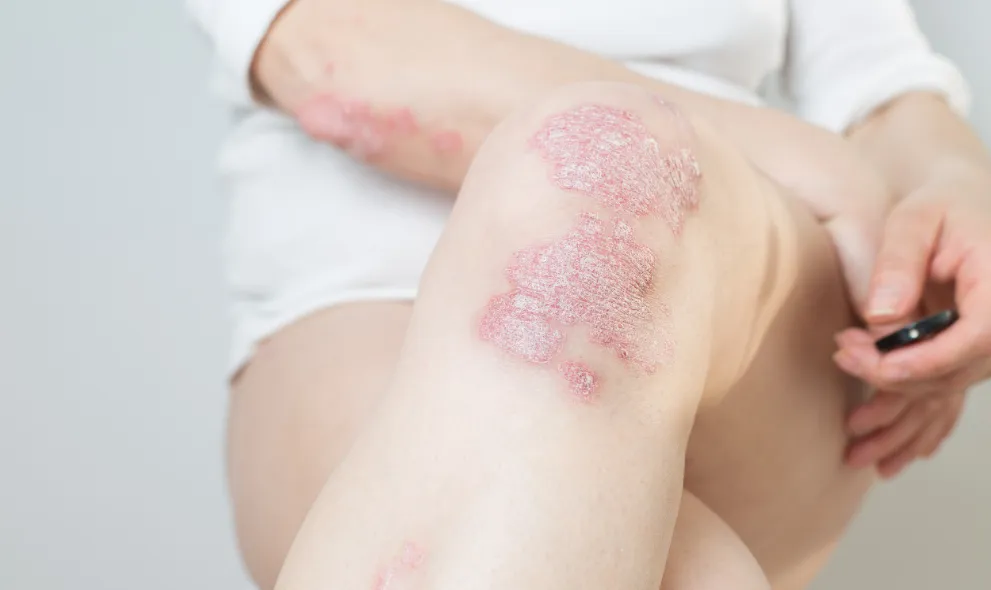
Psoriasis has a different relationship with sunlight than many other inflammatory skin conditions. For some people, limited controlled sun exposure may temporarily improve psoriasis plaques because ultraviolet light can slow excessive skin cell growth.
In fact, controlled UVB phototherapy is commonly used as a medical treatment for psoriasis. However, excessive sun exposure or sunburn can worsen psoriasis symptoms and trigger flare-ups due to skin injury and inflammation.
What Medications Are Used for Psoriasis?
Psoriasis treatment options may include:
- Topical corticosteroids such as clobetasol and betamethasone
- Vitamin D analogs like calcipotriene (Dovonex®)
- Oral medications including methotrexate and apremilast (Otezla®)
- Biologic therapies such as adalimumab (Humira®), ustekinumab (Stelara®), and secukinumab (Cosentyx®)
Treatment depends on the severity of symptoms and the amount of skin affected.
What Is Polymorphous Light Eruption (PMLE)?
Polymorphous light eruption (PMLE) is considered the most common sun-induced skin rash and affects millions of people worldwide.
PMLE typically appears as an itchy, raised rash on sun-exposed skin within hours of UV exposure. It most often affects the arms, chest, neck, and shoulders and tends to recur seasonally during spring and summer.
Although PMLE often resolves on its own, prevention strategies are important because symptoms commonly return with repeated UV exposure.
Common Medications That Cause Photosensitivity
Drug-induced photosensitivity is more common than many people realize. Certain medications can increase the skin’s sensitivity to UV radiation, making severe sunburns, rashes, or blistering reactions more likely.
Examples of sun-sensitive medications include:
Antibiotics
- Doxycycline
- Tetracycline
- Ciprofloxacin (Cipro®)
- Sulfamethoxazole/trimethoprim (Bactrim®)
Diuretics
- Hydrochlorothiazide
- Furosemide (Lasix®)
Antifungals
- Voriconazole (Vfend®)
NSAID Pain Relievers
Antidepressants
- Sertraline (Zoloft®)
- Fluoxetine (Prozac®)
Patients should never stop or change medications because of photosensitivity concerns without speaking with their healthcare provider first.
How Can You Protect Sun-Sensitive Skin?
People with photosensitive conditions should take extra precautions during periods of high UV exposure.
Dermatologists commonly recommend:
- Wearing broad-spectrum SPF 30 or higher sunscreen daily
- Reapplying sunscreen every two hours outdoors
- Wearing UPF-rated clothing, sunglasses, and wide-brim hats
- Avoiding direct sun exposure between 10 a.m. and 4 p.m.
- Seeking shade whenever possible
- Avoiding tanning beds entirely
- Reviewing medications with a healthcare provider to identify photosensitivity risks
Mineral sunscreens containing zinc oxide or titanium dioxide are often better tolerated by people with sensitive or inflammatory skin conditions.
Save on Skin Condition Medications with the RxLess® Assurance Plan
Managing chronic skin conditions can become expensive — especially when treatment involves ongoing prescriptions, specialty medications, or seasonal flare management during the summer months. For many patients, medication costs can create added stress when consistent treatment is essential for keeping symptoms under control.
The RxLess® Assurance Plan helps patients compare real-time prescription prices and access free digital coupons accepted at more than 70,000 pharmacies nationwide. With the free RxLess® app and Real-Time Price Finder, patients can quickly search nearby pharmacies, compare prices instantly, and help identify lower-cost options before picking up their prescriptions.
Because prescription prices can vary widely between pharmacies, checking prices ahead of time may help patients reduce out-of-pocket costs and stay on track with important treatment plans — especially for chronic conditions that require ongoing care throughout the year.