

Written and medically reviewed by Dorcas Morak, Pharm.D
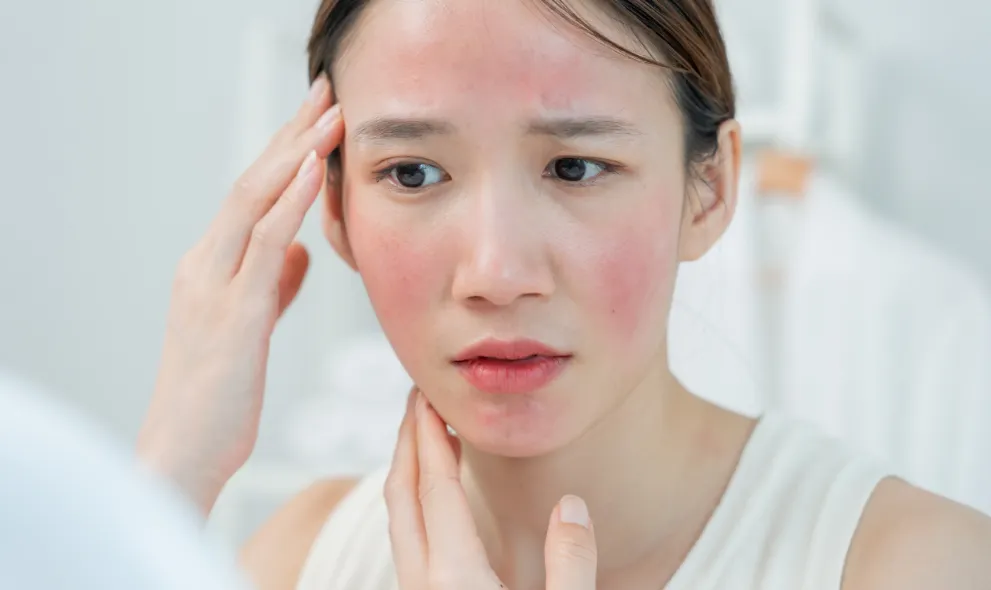
Rosacea is a chronic inflammatory skin condition characterized by facial redness, visible blood vessels, and recurring flare-ups. While there is no cure, understanding rosacea’s symptoms, triggers, and treatment options can help people manage the condition effectively and affordably.
Rosacea affects an estimated 16 million Americans and most often appears after age 30. It is not contagious and is not caused by poor hygiene. April is recognized as Rosacea Awareness Month, which focuses on improving early recognition, diagnosis, and long-term management of the condition.
What Is Rosacea?
Rosacea primarily affects the central face, including the cheeks, nose, chin, and forehead. Symptoms may worsen over time without treatment, making early diagnosis and consistent care especially important. Although rosacea can resemble acne or sunburn, it is a distinct condition with different causes and treatments.
What Causes Rosacea?
The exact cause of rosacea is not fully understood. Research suggests it develops due to a combination of genetic predisposition, immune system overactivity, blood vessel dysfunction, and chronic inflammation. Contributing factors may include Demodex mites, skin barrier abnormalities, and heightened inflammatory responses.
Common Rosacea Symptoms to Watch For
Common symptoms include persistent facial redness, frequent flushing, and visible blood vessels. Some individuals experience burning, stinging, swelling, or acne-like bumps filled with pus. In some cases, rosacea also affects the eyes, causing dryness, irritation, redness, or a gritty sensation—known as ocular rosacea.
Types of Rosacea: Understanding the Four Subtypes
Rosacea is classified into four subtypes, which may overlap:
- Erythematotelangiectatic rosacea (ETR): Persistent redness and visible blood vessels
- Papulopustular rosacea: Red bumps and pustules resembling acne
- Phymatous rosacea: Thickened, enlarged skin, most commonly on the nose
- Ocular rosacea: Eye irritation, redness, dryness, and eyelid inflammation
Who Is Most at Risk for Rosacea?
Rosacea most often affects adults over 30 and is more common in people with fair skin, though it occurs in all skin tones. Women are diagnosed more frequently, while men are more likely to develop severe symptoms, particularly skin thickening of the nose.
Common Triggers That Cause Rosacea Flare-Ups
Sun exposure is the most common trigger. Other frequent triggers include heat, spicy foods, alcohol, hot beverages, stress, exercise, wind, and irritating skincare products. Identifying and avoiding personal triggers is a key part of long-term rosacea management.
How Rosacea Is Diagnosed
Rosacea is typically diagnosed through a clinical examination and a review of symptom history. Dermatologists rule out conditions such as acne, eczema, or lupus. Early diagnosis allows treatment to begin sooner, helping prevent progression and long-term skin changes.
Topical Medications Used to Treat Rosacea
Topical medications are often first-line treatments for mild to moderate rosacea. Common options include:
- Metronidazole (MetroGel®, MetroCream®)
- Azelaic acid (Finacea®, generic azelaic acid)
- Ivermectin (Soolantra®) to reduce inflammation and Demodex mites
- Brimonidine (Mirvaso®) or oxymetazoline (Rhofade®) to temporarily reduce redness by narrowing blood vessels
These treatments are typically used long-term to maintain symptom control.
Oral Medications for Moderate to Severe Rosacea
For moderate to severe inflammatory rosacea, oral medications may be prescribed. The most common options include:
- Low-dose doxycycline(Oracea®)
- Minocycline
These medications work primarily through anti-inflammatory effects rather than antibacterial action and are often used when topical therapies alone are not sufficient.
Isotretinoin (Severe, Refractory Cases Only)
In rare and severe cases that do not respond to standard therapies, dermatologists may prescribe isotretinoin. This medication is reserved strictly for refractory rosacea due to its significant risks, including birth defects, liver toxicity, and other serious side effects. Isotretinoin requires close medical supervision, strict pregnancy prevention protocols, and regular laboratory monitoring.
Laser and Light Therapy for Rosacea Redness
Laser therapy and intense pulsed light (IPL) treatments target visible blood vessels and persistent redness. Multiple sessions are often needed, but these treatments can provide long-lasting improvement when combined with medical therapy.
Lifestyle Changes That Help Control Rosacea
Daily use of broad-spectrum sunscreen—preferably mineral-based formulas containing zinc oxide or titanium dioxide—is essential. Gentle skincare products, avoiding known triggers, and managing stress can significantly reduce flare-ups and improve skin comfort.
Do Home Remedies Help Rosacea Symptoms?
Some soothing ingredients, such as green tea, niacinamide, aloe vera, or colloidal oatmeal, may help calm mild irritation. These approaches can complement medical treatment but should not replace prescribed therapies, especially for moderate to severe rosacea.
Common Rosacea Myths and Misconceptions
Rosacea is often mistaken for acne or frequent blushing. It is not contagious, not caused by poor hygiene, and cannot be cured through diet alone. While lifestyle changes help, medical treatment is often necessary for symptom control.
When to See a Doctor for Rosacea
Medical evaluation is recommended if facial redness persists, bumps worsen, or eye symptoms such as dryness, burning, or vision changes appear. Ocular rosacea may require lid hygiene routines, artificial tears, or oral medications to prevent complications.
How the RxLess® Assurance Plan Helps Lower Rosacea Treatment Costs
The RxLess® Assurance Plan helps reduce the cost of commonly prescribed rosacea medications, including topical treatments such as metronidazole, azelaic acid, ivermectin, and redness-reducing gels, as well as oral medications like doxycycline. By allowing patients to compare real-time pharmacy prices nationwide, the RxLess® Assurance Plan can make long-term rosacea management more affordable—especially for those paying out of pocket or managing ongoing maintenance therapy for this chronic condition.