

Written and medically reviewed by Dorcas Morak, Pharm.D
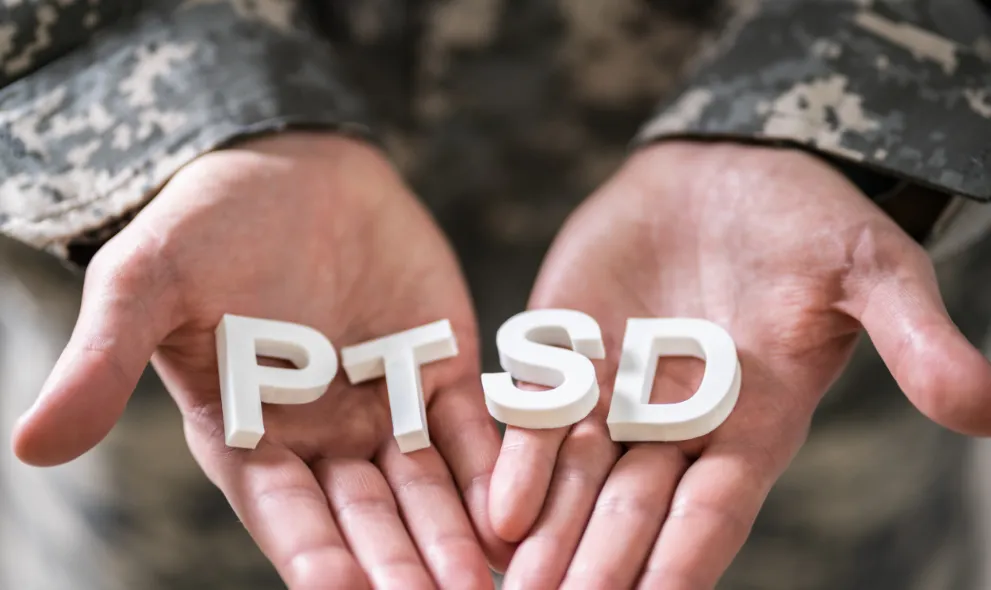
June is PTSD Awareness Month, a national campaign focused on increasing understanding of post-traumatic stress disorder and connecting people with effective care. PTSD is a serious mental health condition that can develop after trauma—and with the right treatment, recovery is possible.
What Is PTSD and Who Is at Risk?
Post-traumatic stress disorder (PTSD) is a psychiatric condition that can develop after experiencing or witnessing a traumatic event. This includes combat exposure, sexual assault, serious accidents, natural disasters, childhood abuse, or sudden loss.
PTSD can affect anyone, regardless of age or background. While some people recover naturally over time, others develop persistent symptoms that require treatment.
PTSD vs. Acute Stress Disorder: What’s the Difference?
Not all trauma-related symptoms are PTSD.
- Acute Stress Disorder (ASD): Symptoms last 3 days to 1 month after trauma
- PTSD: Symptoms persist longer than 1 month and cause significant impairment
This distinction is important for diagnosis and treatment planning.
What Are the Main Symptoms of PTSD?
PTSD symptoms fall into four categories:
- Intrusion: Flashbacks, nightmares, distressing memories
- Avoidance: Avoiding reminders of the trauma
- Mood and cognition changes: Guilt, fear, emotional numbness
- Arousal and reactivity: Irritability, sleep problems, hypervigilance
To be diagnosed, symptoms must persist for more than one month and interfere with daily life.
What Do PTSD Flashbacks Feel Like?
Flashbacks are intense, involuntary re-experiences of a traumatic event. They can be triggered by sounds, smells, or visual cues and may feel as if the event is happening again in real time.
These episodes can cause both emotional distress and physical reactions such as rapid heart rate or sweating.
Why Does PTSD Cause Emotional Numbness?
Emotional numbness is a common response to trauma. People with PTSD may feel detached from others, lose interest in activities they once enjoyed, or struggle to experience positive emotions.
This is not indifference—it’s a protective response that can make it harder to reconnect without treatment.
How Is PTSD Diagnosed?
PTSD is diagnosed by a mental health professional using criteria from the DSM-5. Diagnosis requires:
- Exposure to trauma
- Symptoms across all four categories
- Duration of at least one month
- Significant impact on daily functioning
There is no lab test—diagnosis is based on clinical evaluation and patient history.
What Are the Most Effective PTSD Treatments?
Trauma-Focused Therapy Options Psychotherapy is the first-line treatment for PTSD. The most effective approaches include:
- Cognitive Processing Therapy (CPT)
- Prolonged Exposure (PE) Therapy
- Eye Movement Desensitization and Reprocessing (EMDR)
These therapies help individuals process trauma and reduce their emotional impact.
Which Medications Are FDA-Approved for PTSD?
Two medications are FDA-approved:
- Sertraline (Zoloft)
- Paroxetine (Paxil)
These are selective serotonin reuptake inhibitors (SSRIs) that help reduce anxiety, intrusive thoughts, and depressive symptoms.
What Other Medications Are Used for PTSD Symptoms?
While not FDA-approved specifically for PTSD, several medications are commonly prescribed:
- Venlafaxine (Effexor XR) – an SNRI for anxiety and mood symptoms
- Prazosin (Minipress) – often used to reduce trauma-related nightmares
- Fluoxetine (Prozac) – an SSRI sometimes used as an alternative
- Mirtazapine (Remeron) – may help with sleep and appetite
Medication is often combined with therapy for the best outcomes.
What Conditions Commonly Occur Alongside PTSD?
PTSD often coexists with other conditions, including:
- Depression
- Generalized anxiety disorder
- Substance use disorder
Treating these together is important for full recovery.
When Should You Seek Help for PTSD?
Consider seeking professional help if symptoms:
- Last longer than one month
- Interfere with work, relationships, or daily life
- Include severe anxiety, panic, or sleep disruption
Early treatment can significantly improve outcomes.
How Can You Support Someone With PTSD?
Supporting someone with PTSD involves:
- Being patient and nonjudgmental
- Avoiding pressure to “move on”
- Encouraging professional help
- Learning about trauma responses
Consistency and understanding can make a meaningful difference.
How Can You Afford PTSD Medications?
The RxLess® Assurance Plan helps patients save on prescription medications by providing free digital coupons accepted at over 70,000 pharmacies nationwide. Members can compare real-time prices and may save significantly on commonly prescribed medications like sertraline, paroxetine, or venlafaxine.
Prices vary by pharmacy and are subject to change. Members are responsible for paying the discounted cost of their prescriptions.