

Written and medically reviewed by Dorcas Morak, Pharm.D
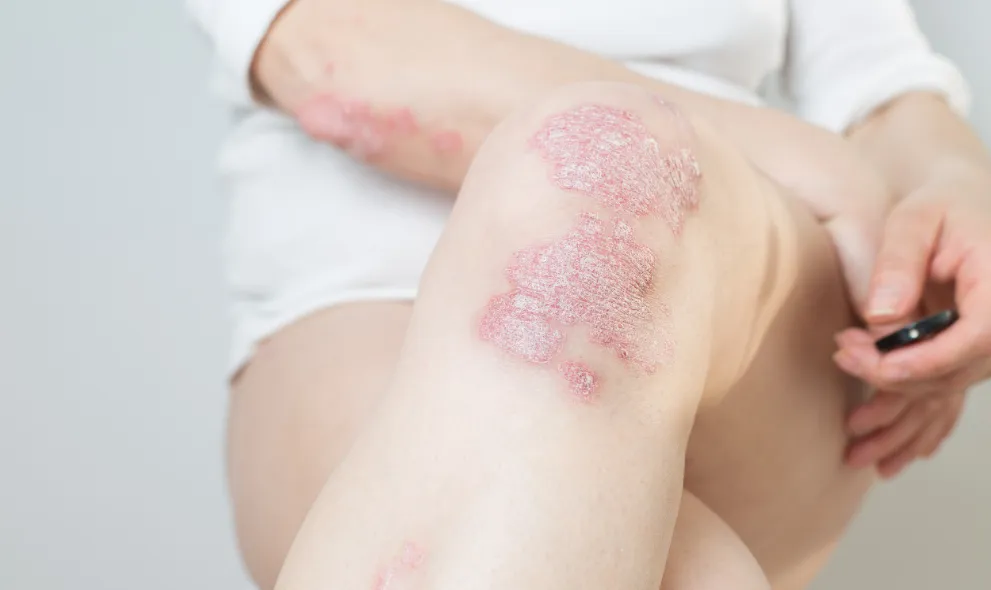
October 29 is World Psoriasis Day, a global observance dedicated to raising awareness about this chronic autoimmune skin condition. Psoriasis affects more than 8 million Americans, causing raised, scaly patches that can flare unpredictably and, for some, joint pain as well. While there is no cure, a wide range of treatments can significantly reduce symptoms, improve quality of life, and extend time between flare-ups.
What Causes Psoriasis Flare-Ups? Common Triggers to Avoid
Psoriasis occurs when the immune system speeds up skin cell production, causing cells to build up on the skin's surface. Common flare-up triggers include stress, skin injuries such as cuts or sunburn, infections, cold weather, smoking, heavy alcohol use, and certain medications. Learning what triggers your symptoms can help reduce future flare-ups.
Types of Psoriasis and Their Symptoms
Plaque psoriasis is the most common form, appearing as raised, scaly patches on the skin. Other types include guttate psoriasis, which often develops after certain infections; inverse psoriasis, which affects skin folds; and pustular psoriasis, which causes pus-filled blisters. Identifying the specific type of psoriasis helps determine the most effective treatment plan.
Topical Psoriasis Treatments: Creams, Ointments, and Prescription Medications
Mild to moderate psoriasis is often treated first with prescription topical medications. These commonly include corticosteroids such as clobetasol and vitamin D analogues like calcipotriene, which help reduce inflammation and slow excessive skin cell growth. Depending on the location and severity of psoriasis, your healthcare provider may recommend other prescription creams or combination products.
Phototherapy for Psoriasis: How Light Therapy Works
Phototherapy uses controlled ultraviolet light to slow skin cell growth and reduce inflammation. Narrowband UVB phototherapy is the most common type used today and is typically performed two to three times per week under medical supervision. Several weeks of treatment are often needed before noticeable improvement occurs.
Oral Medications for Moderate to Severe Psoriasis
When topical treatments are not enough, doctors may prescribe oral medications that work throughout the body to reduce inflammation. Common options include methotrexate, apremilast (Otezla), and, for some patients, newer targeted oral therapies. The right medication depends on symptom severity, other medical conditions, and individual treatment goals.
Biologic Medications for Psoriasis: How They Work
Biologic medications target specific parts of the immune system responsible for psoriasis inflammation and are typically prescribed for moderate to severe disease. Common examples include adalimumab (Humira), ustekinumab (Stelara), and newer biologics that target specific inflammatory pathways. Most biologics are given by injection or infusion.
Biologics vs. Traditional Psoriasis Treatments
Unlike traditional systemic medications that suppress the immune system more broadly, biologics target specific immune proteins involved in psoriasis. This targeted approach can improve symptom control while reducing some side effects for certain patients. Because biologics affect the immune system, regular monitoring and screening for infections remain important.
Can Psoriasis Affect the Joints?
Up to 30% of people with psoriasis develop psoriatic arthritis, which can cause joint pain, stiffness, swelling, and reduced mobility. Early diagnosis is important because treatment can help prevent permanent joint damage. Many of the medications used to treat moderate to severe psoriasis can also help control joint inflammation.
What Side Effects Should Patients Watch For?
Every psoriasis treatment carries potential side effects. Long-term use of topical corticosteroids (e.g., clobetasol, betamethasone) may thin the skin, while medications such as methotrexate require routine blood tests to monitor liver function. Biologic medications may increase the risk of infections, so patients should promptly report fever or other signs of illness and follow their healthcare provider's recommended monitoring schedule.
Can Lifestyle Changes Help Prevent Psoriasis Flare-Ups?
While lifestyle changes cannot cure psoriasis, they may help reduce flare frequency and improve treatment results. Moisturizing regularly, managing stress, avoiding skin injuries, limiting alcohol, quitting smoking, and maintaining a healthy weight can all support better symptom control. Protecting your skin from sunburn while getting appropriate sun exposure as recommended by your healthcare provider may also help.
Can Psoriasis Go into Remission?
Yes. Many people experience periods when their psoriasis improves significantly or becomes nearly symptom-free with effective treatment. However, psoriasis is a chronic condition, and symptoms often return if treatment is stopped. Continuing your prescribed treatment plan and avoiding known triggers can help prolong periods of remission.
Is Psoriasis Treatment a Long-Term Commitment?
For most people, psoriasis requires ongoing management. Treatment plans may change over time as symptoms improve, flare, or new therapies become available. Regular follow-up visits allow your healthcare provider to adjust medications, monitor side effects, and ensure your treatment continues to meet your needs.
How Can the RxLess® Assurance Plan Help Lower Psoriasis Medication Costs?
Managing psoriasis often requires prescription medications for months or even years, making treatment costs an ongoing concern. The RxLess® Assurance Plan helps patients compare prescription prices and access free digital coupons accepted at more than 70,000 pharmacies nationwide. Before filling your prescription, simply download the free RxLess® app to automatically become a member and compare prices to see whether another nearby pharmacy offers a lower cost.