

Written and medically reviewed by Dorcas Morak, Pharm.D
Every August, Psoriasis Action Month raises awareness about psoriasis—a chronic skin condition that causes painful, itchy rashes and affects millions. Although challenging to manage, the right treatments and resources can make a meaningful difference. Whether you or a loved one is living with psoriasis or you want to learn more about how to help, this article explains what psoriasis is, its different types, treatment options, and how the RxLess® Assurance Plan can help you save.
What is Psoriasis?
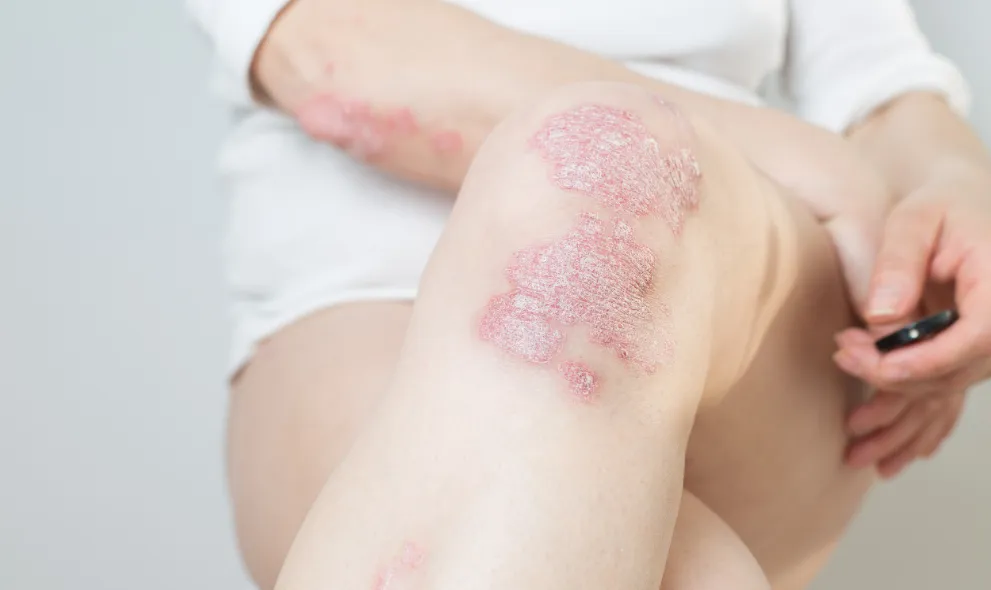
Psoriasis is a chronic autoimmune skin condition caused by an overactive immune system, which accelerates the lifecycle of skin cells. Normally, skin cells take about 30 days to regenerate, but with psoriasis, this process occurs in just 3 to 4 days. The result is thick, red, scaly patches that can be itchy and painful. While the exact cause is unknown, a combination of genetics and environmental factors contributes to its development. Psoriasis often appears between the ages of 20–30 or 50–60.
What Are the Types of Psoriasis?
There are five main types of psoriasis, each with unique characteristics:
- Plaque Psoriasis: The most common type, affecting 80–90% of people with psoriasis. It presents as raised, scaly patches typically on the elbows, knees, scalp, or lower back.
- Inverse Psoriasis: Appears as smooth, red lesions in body folds, such as the armpits, groin, or under the breasts.
- Guttate Psoriasis: Characterized by small, red, drop-like spots, often triggered by infections like strep throat. Common in children and young adults.
- Pustular Psoriasis: Marked by white pustules surrounded by red skin. It may affect localized areas such as the hands and feet or be more widespread.
- Erythrodermic Psoriasis: A rare but severe form that causes widespread redness, shedding of skin in sheets, and can be life-threatening.
What Are Medications for Psoriasis?
While there is no cure, several treatments can help manage psoriasis symptoms and prevent flare-ups:
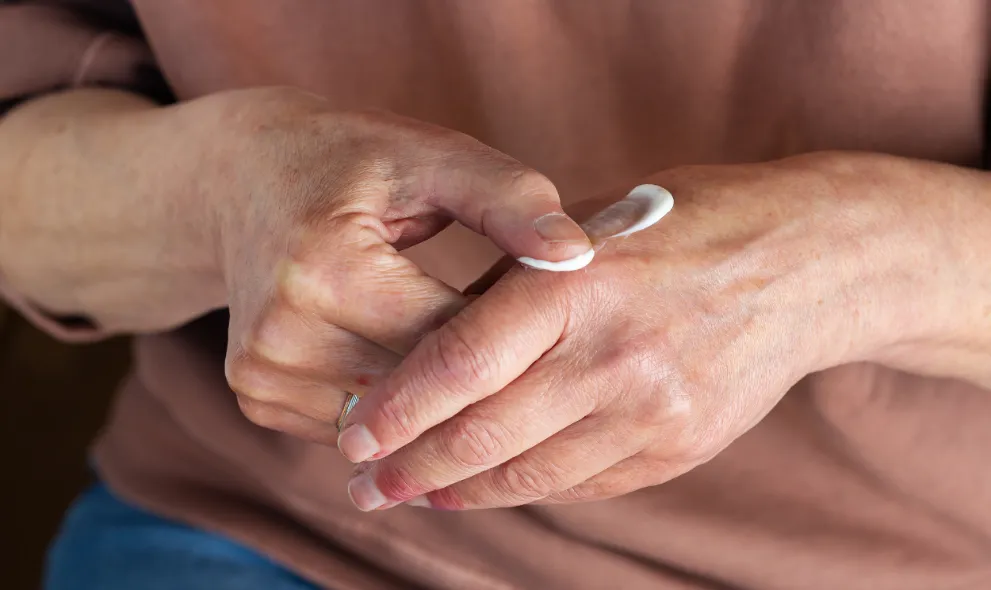
Topical Medications Applied directly to the skin, these are effective for mild cases:
- Corticosteroids (e.g., clobetasol, betamethasone)
- Vitamin D analogs (e.g., calcipotriene)
- Topical retinoids (e.g., tazarotene)
Oral Medications Used for moderate to severe cases:
- Methotrexate (Trexall)
- Cyclosporine (Neoral)
- Acitretin (Soriatane)
- Apremilast (Otezla), a newer option that targets inflammatory processes
Biologics Injectable or IV therapies targeting specific immune system components, especially effective for severe psoriasis or psoriatic arthritis:
- Adalimumab (Humira)
- Etanercept (Enbrel)
- Ixekizumab (Taltz)
- Ustekinumab (Stelara)
- Secukinumab (Cosentyx)
- Risankizumab (Skyrizi)
These medications can be costly, but the RxLess® Assurance Plan can help you compare prices and find savings at local pharmacies.
Are There OTC Medications for Psoriasis?
For mild psoriasis, over-the-counter (OTC) options can help:
- Coal tar: Reduces inflammation and scaling
- Salicylic acid: Helps remove scales and smooth skin
- Hydrocortisone cream: Reduces itching and inflammation
The RxLess® Assurance Plan helps you find the best prices for these and other OTC medications.
What Other Treatments Can Help Manage Psoriasis?
Phototherapy Exposure to ultraviolet (UV) light, especially narrowband UVB, can help reduce symptoms. Often administered in a dermatologist’s office.
Complementary Therapies Alternative approaches like acupuncture, omega-3 supplements, turmeric, and stress-reduction techniques (e.g., yoga, meditation) may support symptom management.
Diet and Lifestyle A healthy lifestyle helps reduce flare-ups:
- Follow an anti-inflammatory or Mediterranean-style diet
- Avoid known triggers such as smoking and excessive alcohol
- Maintain a regular sleep schedule
Living with Psoriasis: Tips for Coping
Psoriasis can take a toll on mental and emotional health. Here are a few strategies to improve quality of life:
- Manage Stress: Practice mindfulness, meditation, or yoga to reduce flare-ups
- Build a Support Network: Join local or online support groups
- Educate Others: Helping friends and family understand your condition can create a more supportive environment
- Seek Professional Help: Don’t hesitate to consult a mental health professional if psoriasis is affecting your mood or self-esteem
Save on Psoriasis Medications with the RxLess® Assurance Plan
The RxLess® Assurance Plan helps you compare real-time pharmacy prices and access discounts on prescription and over-the-counter psoriasis treatments. Whether you're filling a prescription for Humira, methotrexate, or simply picking up hydrocortisone cream, the plan empowers you to save without insurance.
Take control of your treatment and costs this Psoriasis Action Month with the RxLess® Assurance Plan.