

Written and medically reviewed by Dorcas Morak, Pharm.D
Obstructive sleep apnea (OSA) is a serious and common sleep disorder in which the upper airway repeatedly collapses during sleep, causing breathing pauses and drops in oxygen levels. These interruptions fragment sleep and increase the risk of heart disease, diabetes, and other chronic conditions.
OSA affects an estimated 22–30 million adults in the United States, yet many cases remain undiagnosed—especially in people who do not realize their snoring or fatigue signals a medical condition.
What Causes Obstructive Sleep Apnea?
During sleep, the muscles that support the tongue and soft palate relax. In individuals with OSA, this relaxation narrows or blocks the airway. When airflow stops (apnea) or decreases significantly (hypopnea), oxygen levels drop. The brain briefly awakens the body to restart breathing—often without conscious awareness.
These events can occur dozens or even hundreds of times per night. Common Risk Factors for OSA
- Obesity (strongest risk factor)
- Large neck circumference
- Narrow airway anatomy
- Enlarged tonsils (especially in children)
- Male sex
- Age over 40
- Family history
- Smoking
- Alcohol or sedative use
- Chronic nasal congestion
- Endocrine disorders such as hypothyroidism (e.g., undertreated patients on levothyroxine)
Obstructive vs. Central Sleep Apnea: What’s the Difference?
While obstructive sleep apnea occurs due to physical airway blockage, central sleep apnea (CSA) is caused by the brain failing to send consistent breathing signals to the muscles.
- OSA: Airway collapses despite breathing effort
- CSA: No breathing effort due to neurological signaling disruption
CSA is less common and often associated with heart failure, stroke, or opioid use. Some patients have a mixed form known as complex sleep apnea.
What Are the Symptoms of Obstructive Sleep Apnea?
The most recognizable symptom is loud, chronic snoring accompanied by:
- Pauses in breathing (often reported by a partner)
- Gasping or choking during sleep
- Excessive daytime sleepiness
- Morning headaches
- Dry mouth upon waking
- Poor concentration
- Irritability or mood changes
- Reduced libido
Is Snoring Always Sleep Apnea?
Not all snoring indicates OSA. Primary snoring does not involve repeated oxygen drops or daytime impairment. OSA is diagnosed when breathing interruptions are confirmed along with symptoms or measurable sleep disruption.
How Obstructive Sleep Apnea Affects Your Health
Untreated OSA places stress on nearly every major organ system.
Cardiovascular Disease and OSA
Repeated oxygen deprivation activates stress hormones and increases blood pressure. OSA is strongly associated with:
- Hypertension
- Atrial fibrillation and other arrhythmias
- Coronary artery disease
- Stroke
- Heart failure
Treatment with CPAP therapy often improves blood pressure control alongside medications such as:
OSA and Type 2 Diabetes
OSA contributes to insulin resistance and approximately doubles the risk of developing type 2 diabetes. Effective CPAP use may improve glycemic control and enhance the effectiveness of medications such as:
Mental Health and Cognitive Effects
Chronic sleep fragmentation and low oxygen levels may contribute to:
- Depression
- Anxiety
- Memory problems
- Reduced executive function
Treatment may improve mood and cognitive clarity and, in some cases, reduce reliance on antidepressants such as:
How Is Obstructive Sleep Apnea Diagnosed?
Diagnosis begins with medical history, physical examination, and sleep questionnaires such as the Epworth Sleepiness Scale. A sleep study confirms the diagnosis.
Apnea-Hypopnea Index (AHI) Severity Levels
The AHI measures breathing interruptions per hour:
- Mild OSA: 5–14 events/hour
- Moderate OSA: 15–29 events/hour
- Severe OSA: 30+ events/hour Higher AHI scores correlate with greater cardiovascular and metabolic risk.
What Happens During a Sleep Study?
In-Lab Polysomnography This overnight study measures:
- Brain waves
- Oxygen levels
- Breathing patterns
- Heart rhythm
- Limb movements
It is the most comprehensive diagnostic test.
Home Sleep Apnea Testing (HSAT)
Home tests measure airflow and oxygen levels and are effective for diagnosing moderate to severe OSA in high-risk patients, though they may miss mild or complex cases.
Treatment Options for Obstructive Sleep Apnea
Treatment depends on severity and individual risk factors.
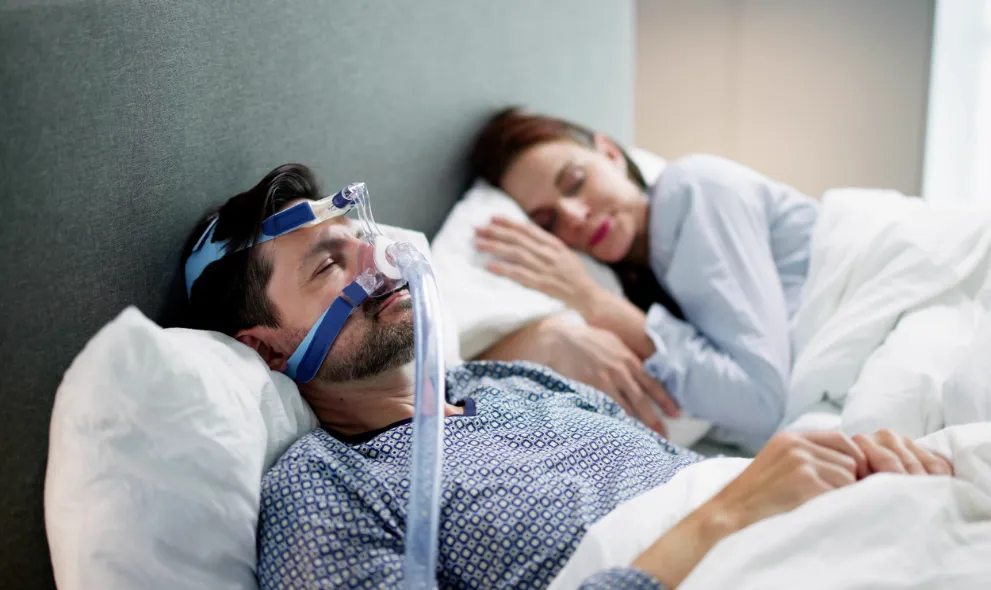
CPAP Therapy (Gold Standard) Continuous Positive Airway Pressure (CPAP) keeps the airway open using steady airflow. Benefits include:
- Improved alertness
- Lower blood pressure
- Reduced cardiovascular risk
- Better blood sugar control
Oral Appliance Therapy Custom dental devices reposition the jaw to prevent airway collapse. These are commonly used for mild to moderate OSA or for patients who cannot tolerate CPAP.
Weight Loss and Lifestyle Changes Weight reduction can significantly decrease OSA severity. Additional strategies:
- Avoid alcohol before bedtime
- Stop smoking
- Sleep on your side
- Elevate the head of the bed
- Treat nasal congestion (e.g., fluticasone nasal spray, azelastine)
Surgical and Advanced Therapies For select patients:
- Tonsillectomy (especially in children)
- Uvulopalatopharyngoplasty (UPPP)
- Maxillomandibular advancement
- Hypoglossal nerve stimulation implants
Do Medications Treat Obstructive Sleep Apnea?
There is currently no medication that cures OSA. However, prescriptions may address related symptoms.
For Excessive Daytime Sleepiness
These are typically prescribed only after optimized CPAP therapy.
For Coexisting Insomnia Used cautiously under medical supervision:
Sedative medications can worsen untreated OSA and should only be used when breathing is adequately managed.
Frequently Asked Questions About Obstructive Sleep Apnea
Can children have sleep apnea? Yes. Pediatric OSA is often caused by enlarged tonsils or adenoids. Symptoms may include snoring, bedwetting, hyperactivity, or learning difficulties.
Is sleep apnea life-threatening? Severe untreated OSA significantly increases the risk of heart attack, stroke, and sudden cardiac death.
Can losing weight cure OSA? In some cases, significant weight loss can greatly reduce or even resolve OSA, but many patients still require therapy.
How common is sleep apnea in the U.S.? An estimated 22–30 million adults have OSA, but up to 80% of moderate to severe cases may be undiagnosed.
Does Insurance Cover Sleep Apnea Treatment?
Most insurance plans cover:
- Sleep studies
- CPAP machines and supplies
- Oral appliances (when medically indicated)
For prescriptions related to OSA symptoms or associated conditions—such as modafinil, blood pressure medications, diabetes treatments, or antidepressants—the RxLess® Assurance Plan helps patients compare real-time prices at pharmacies nationwide.
Working independently of insurance, the RxLess® Assurance Plan gives patients another way to check pricing, avoid overpaying, and make more informed decisions about the medications they rely on every day.