

Written and medically reviewed by Dorcas Morak, Pharm.D
High blood pressure—also called hypertension—is one of the most common chronic health conditions worldwide. In the United States, nearly half of adults have elevated blood pressure, increasing the risk of heart disease, stroke, and kidney disease.
Because hypertension often develops without noticeable symptoms, it is frequently referred to as the “silent killer.” May Measure Month 2026, led by the International Society of Hypertension, raises global awareness about the importance of regular blood pressure screening and early treatment.
Understanding how to manage blood pressure through healthy habits and medications can significantly reduce the risk of long-term cardiovascular complications.
What Is High Blood Pressure?
Blood pressure measures the force of blood pushing against the walls of arteries. It is expressed using two numbers:
- Systolic pressure – pressure when the heart beats
- Diastolic pressure – pressure when the heart rests between beats
According to the American Heart Association, blood pressure categories include:
| Category | Blood Pressure |
|---|---|
| Normal | Less than 120/80 mmHg |
| Elevated | 120–129 / less than 80 |
| Stage 1 hypertension | 130–139 / 80–89 |
| Stage 2 hypertension | 140/90 or higher |
Long-term high blood pressure can damage blood vessels, strain the heart, and increase the risk of heart attack, stroke, and kidney disease.
Why Is May Measure Month Important?
Many people with hypertension do not know they have it because symptoms are often absent. May Measure Month encourages people worldwide to check their blood pressure and learn about prevention and treatment.
The campaign focuses on:
- Increasing awareness of hypertension
- Encouraging routine blood pressure screening
- Promoting healthy lifestyle changes
- Supporting early treatment to prevent complications
Regular monitoring can help detect high blood pressure early and allow individuals to take action before serious health problems develop.
Natural Ways to Lower Blood Pressure
Lifestyle changes are often the first step in managing high blood pressure and can sometimes reduce the need for medication.
Exercise and Physical Activity Regular physical activity helps strengthen the heart and improve circulation. Activities such as brisk walking, cycling, swimming, or strength training can reduce systolic blood pressure by about 5–8 mmHg. Experts generally recommend at least 150 minutes of moderate exercise per week for cardiovascular health.
Maintaining a Healthy Weight Carrying excess body weight can increase strain on the heart and blood vessels. Losing even 5–10 pounds may help lower blood pressure and improve overall heart health.
Following the DASH Diet The DASH (Dietary Approaches to Stop Hypertension) diet is widely recommended for blood pressure control. It focuses on:
- Fruits and vegetables
- Whole grains
- Lean proteins
- Low-fat dairy
- Limited saturated fat and sodium This eating pattern has been shown to significantly reduce blood pressure in many individuals.
Reducing Sodium Intake High sodium intake can raise blood pressure. Experts recommend limiting sodium to:
- Less than 2,300 mg per day, or
- Ideally 1,500 mg per day for people with hypertension.
Reducing processed foods and checking nutrition labels can help lower sodium consumption.
Managing Stress Chronic stress can contribute to higher blood pressure levels. Relaxation techniques such as meditation, deep breathing, yoga, and mindfulness may help support healthier blood pressure over time.
Limiting Alcohol and Quitting Smoking Smoking damages blood vessels and significantly increases cardiovascular risk. Limiting alcohol intake and quitting smoking can improve heart and blood vessel health.
When Are Blood Pressure Medications Needed?
If lifestyle changes are not enough to control blood pressure—or if readings consistently exceed 140/90 mmHg—a healthcare provider may recommend medication. Treatment can reduce the risk of serious complications such as:
- Heart attack
- Stroke
- Heart failure
- Kidney disease
Medication recommendations depend on individual risk factors and overall cardiovascular health.
Common Types of Blood Pressure Medications
Several medication classes are commonly used to treat hypertension.
Diuretics Diuretics help the body remove excess sodium and fluid. Examples include:
ACE Inhibitors ACE inhibitors relax blood vessels by blocking hormones that cause arteries to narrow. Examples include:
- Lisinopril (Prinivil, Zestril)
- Enalapril (Vasotec)
- Ramipril (Altace)
Angiotensin II Receptor Blockers (ARBs) ARBs relax blood vessels and improve blood flow. Examples include:
- Losartan (Cozaar)
- Valsartan (Diovan)
- Olmesartan (Benicar)
Calcium Channel Blockers These medications help relax blood vessels and reduce heart workload. Examples include:
- Amlodipine (Norvasc)
- Diltiazem (Cardizem)
- Nifedipine (Procardia)
Beta-Blockers Beta-blockers slow the heart rate and lower blood pressure. Examples include:
- Metoprolol (Toprol-XL, Lopressor)
- Atenolol (Tenormin)
- Carvedilol (Coreg)
Possible Side Effects of Blood Pressure Medications
Side effects vary depending on the medication type. Examples include:
- Frequent urination with diuretics
- Dry cough with ACE inhibitors
- Fatigue with beta-blockers
- Ankle swelling with calcium channel blockers
Patients should report persistent or severe side effects to their healthcare provider.
Monitoring Blood Pressure at Home
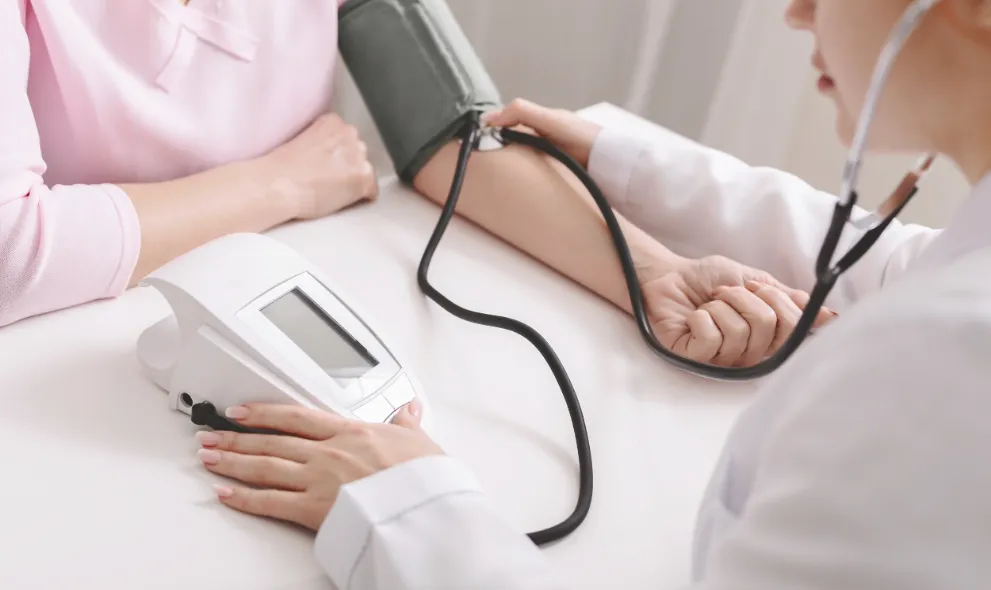
Home blood pressure monitors allow individuals to track their readings between medical visits. Checking blood pressure regularly can help:
- Evaluate how well treatment is working
- Identify elevated readings early
- Provide useful information for healthcare providers
Keeping a record of readings can help guide treatment decisions.
How to Save on Blood Pressure Medications
Many commonly prescribed blood pressure medications—including lisinopril, losartan, amlodipine, hydrochlorothiazide, and metoprolol—are available as lower-cost generics.
The RxLess® Assurance Plan helps you compare real-time prescription prices at more than 70,000 pharmacies nationwide. With free digital coupons and pharmacy price comparisons, you can save significantly on medications used to manage