

Written and medically reviewed by Dorcas Morak, Pharm.D
Whether you’re managing period pain, hormonal imbalances, or preventing pregnancy, staying consistent with birth control or hormonal therapy shouldn’t break the bank. But with rising healthcare costs and insurance coverage gaps, it’s no surprise many are looking for more affordable options. Fortunately, there are ways to save—and this guide walks you through them.
What Is Hormonal Birth Control?
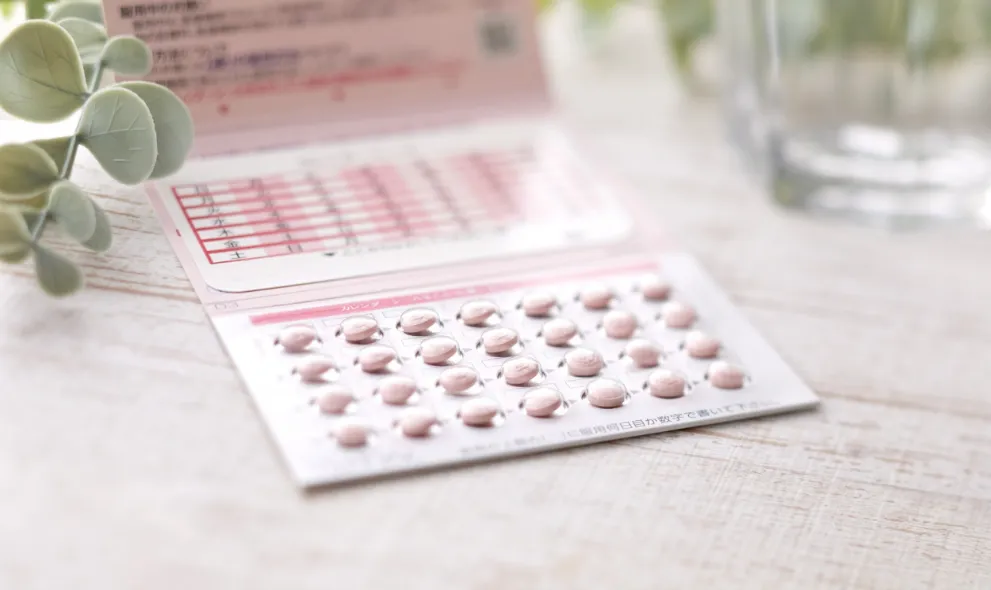
Hormonal birth control helps regulate hormone levels to prevent pregnancy and may also improve conditions like heavy periods, cramps, and acne. Common types include:
- Pills – e.g., Loestrin, Yaz, Sprintec
- Patches – e.g., Xulane
- Vaginal rings – e.g., NuvaRing, Annovera
- Implants – e.g., Nexplanon
- Hormonal IUDs – e.g., Mirena, Skyla, Liletta While these methods are effective for many, people with certain health conditions—such as a history of blood clots or hormone-sensitive cancers—may need non-hormonal alternatives. Always consult your healthcare provider before starting or switching methods.
What Are Non-Hormonal Birth Control Options?
If hormonal methods aren’t right for you, several non-hormonal options are available:
- Barrier methods: Male and female condoms, diaphragms, cervical caps, and sponges (often used with spermicide)
- Copper IUD: Paragard, which can last up to 10 years
- Vaginal gel: Phexxi, a hormone-free contraceptive
- Permanent solutions: Tubal ligation or vasectomy
What About Hormonal Therapy for Other Health Conditions?
Hormonal therapy isn’t only used for contraception. It’s also prescribed to help manage a variety of health conditions, including:
- Polycystic Ovary Syndrome (PCOS) – e.g., Yaz, Ortho Tri-Cyclen
- Endometriosis – e.g., Visanne (dienogest), Lupron Depot (leuprolide)
- Perimenopause or Menopause Symptoms – e.g., Estrace (estradiol), Premarin (conjugated estrogens)
- Gender-Affirming Hormone Therapy – e.g., Estradiol, Spironolactone, Testosterone
These medications can regulate periods, reduce pelvic pain, ease hot flashes, or support gender transition. Insurance may cover some therapies, especially when prescribed for a diagnosed condition. If not, you may be able to reduce costs by using the RxLess® Assurance Plan, which can provide savings on generic versions of these medications.
Does Insurance Cover Birth Control?
Under the Affordable Care Act (ACA), most private health insurance plans must cover all FDA-approved birth control methods at no cost—including the consultation, insertion, and follow-up visits. Covered methods include:
- Oral contraceptives
- IUDs (hormonal and copper)
- Implants
- Emergency contraception (Plan B, Ella)
- Sterilization procedures Some religiously affiliated plans may be exempt, so it’s important to check with your provider.
How Can I Get Free or Low-Cost Birth Control?
Here are four effective ways to reduce your birth control costs:
1. Health Insurance Coverage Employer-based plans, Medicaid, and ACA marketplace insurance typically cover many contraceptive options at no cost to you—including both the medication and healthcare visits.
2. In-Person Clinics If you’re uninsured or prefer in-person care, try:
- Planned Parenthood
- Federally Qualified Health Centers (FQHCs)
- Local health departments
- Campus health centers
- Safety-net hospitals Many offer sliding-scale pricing based on your income.
3. Community Programs Free condoms (male and female) are often available through:
- Public health departments
- College campuses
- Family planning clinics These resources help promote safer sex and reduce out-of-pocket costs.
4. Prescription Discount Programs If you're uninsured or your insurance doesn’t cover certain contraceptives, the RxLess® Assurance Plan can help. It offers discounts of up to 88% off retail prices for many generic options, such as:
- Norgestimate-Ethinyl Estradiol (generic for Ortho Tri-Cyclen)
- Levonorgestrel-Ethinyl Estradiol (generic for Seasonale or Alesse)
Use the RxLess® app or website to compare prices and access free coupons at major pharmacies nationwide.
Final Thoughts
No one should have to choose between their reproductive health and their budget. Whether you need a daily pill, emergency contraception, or a long-term method like an IUD, affordable options are out there. Take advantage of insurance benefits, community programs, or prescription savings through the RxLess® Assurance Plan to make birth control more accessible—and less stressful.