

Written and medically reviewed by Dorcas Morak, Pharm.D
Prior authorizations and insurance formularies play a major role in what patients pay for prescriptions in the United States. While insurers use these tools to manage spending, patients often experience treatment delays, denials, or unexpectedly high out-of-pocket costs—especially for newer or brand-name medications. Understanding how these systems work can help patients better navigate coverage challenges and control prescription expenses.
What Is Prior Authorization for Prescription Medications?
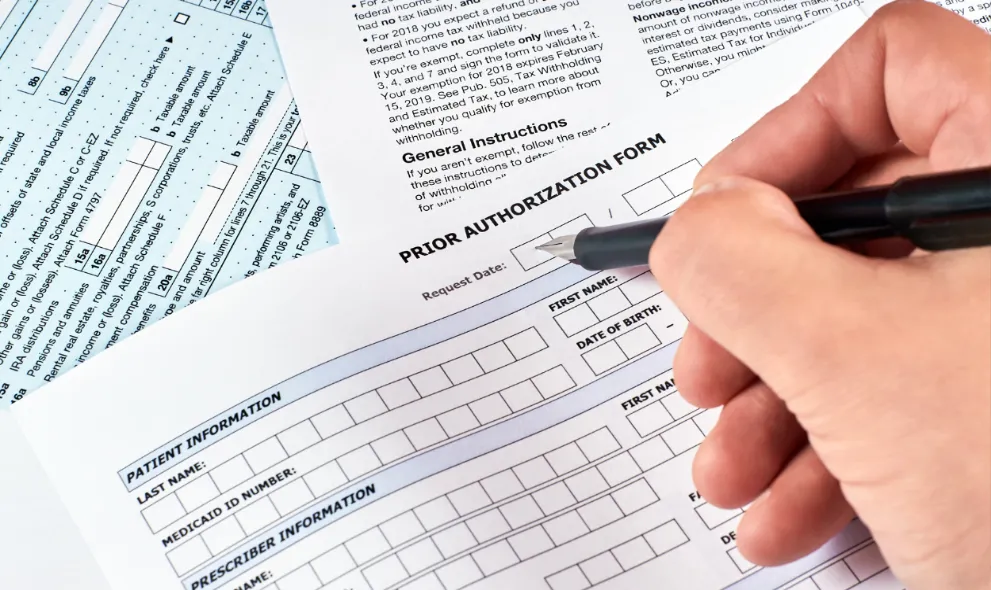
Prior authorization (PA) is a requirement that a prescriber obtain insurer approval before a medication is covered. It is most commonly applied to high-cost, brand-name, specialty, or newer drugs.
Examples of medications that often require prior authorization include:
- GLP-1 diabetes medications: Ozempic (semaglutide), Mounjaro (tirzepatide), Wegovy
- Blood thinners: Eliquis (apixaban), Xarelto (rivaroxaban)
- Cholesterol biologics: Repatha (evolocumab), Praluent (alirocumab)
- Asthma and COPD inhalers: Symbicort, Trelegy Ellipta
- Mental health medications: brand-name ADHD stimulants or newer antidepressants
Insurers use prior authorization to confirm that these medications are medically necessary and that lower-cost options have been considered first.
Why Do Insurance Companies Use Prior Authorization?
Insurers rely on prior authorization to:
- Control rising prescription drug costs
- Encourage use of lower-cost generics or first-line therapies
- Limit inappropriate or off-label prescribing
While cost control is the goal, the process often shifts administrative and financial burdens to patients and providers.
How Long Do Prior Authorization Delays Usually Last?
Approval timelines vary by insurer and medication:
- Routine requests: several days to one week
- Complex or specialty drugs: two weeks or longer
During these delays, patients may postpone treatment or pay full cash price to avoid interruptions—particularly risky for conditions like diabetes, asthma, or heart disease.
How Prior Authorization Can Increase Out-of-Pocket Costs
When prior authorization is delayed or denied:
- Patients may pay full retail price for medications like Eliquis or Ozempic
- Multiple provider visits and paperwork increase indirect healthcare costs
- Delays may worsen health outcomes, leading to additional treatment expenses
Over time, these administrative barriers also contribute to higher insurance premiums and copays system-wide.
What Is Step Therapy and How Is It Different from Prior Authorization?
Step therapy is a related but distinct policy. It requires patients to try lower-cost medications first before coverage is approved for more expensive options.
Example: A patient with high cholesterol may need to try generic statins such as atorvastatin or rosuvastatin before an insurer approves Repatha.
If first-line drugs are ineffective or cause side effects, patients may face additional delays, appeals, and medical visits before accessing the prescribed therapy.
What Are Insurance Formularies?
An insurance formulary is a list of covered medications, organized into tiers based on cost.
- Tier 1: low-cost generics (e.g., metformin, lisinopril)
- Tier 2–3: preferred and non-preferred brand drugs (e.g., Eliquis, Symbicort)
- Specialty tiers: high-cost medications with coinsurance rather than flat copays
Formularies directly determine which prescriptions are affordable and which carry higher out-of-pocket costs.
How Formularies Increase Out-of-Pocket Prescription Costs
Patients may pay more when:
- A medication is placed in a higher tier
- A drug is labeled non-preferred
- Coverage is removed due to a mid-year formulary change
These changes can occur with little notice, forcing patients to switch medications or pay out of pocket unexpectedly.
Why Formularies Favor Generics and Biosimilars
Generics and biosimilars are therapeutically equivalent to brand-name drugs but cost significantly less.
Examples include:
- Generic insulin glargine instead of brand-name Lantus
- Biosimilar adalimumab instead of Humira
By favoring these options, insurers aim to control spending and keep premiums lower, though patients needing brand-only therapies often face higher costs.
What Happens If You Pay Cash During Prior Authorization Delays?
Some patients choose to pay out of pocket temporarily to avoid treatment gaps. While this maintains continuity of care, it can create short-term financial strain.
Tools like the RxLess® Assurance Plan allow patients to access discounted cash prices without insurance restrictions, which can help reduce costs during approval delays or denials.
How to Check Your Insurance Formulary
Patients can:
- Search their insurer’s website or mobile app
- Review tier placement and covered alternatives
- Ask pharmacists to check real-time coverage and pricing
Checking formularies regularly helps prevent surprise costs at the pharmacy counter.
What If a Medication Is Not on Your Formulary?
If a drug is excluded, patients may:
- Request a formulary exception with medical documentation
- Switch to a covered alternative for faster access
- Use cash-price options when coverage is unavailable
Exceptions can be approved, but they often take time.
What to Do If a Prior Authorization Is Denied
Patients have the right to appeal denials, typically within 30 to 60 days. Appeals are strongest when supported by:
- Clinical notes
- Lab results or imaging
- Evidence of prior treatment failure or side effects
For urgent conditions, insurers may offer expedited appeals.
How the RxLess® Assurance Plan Can Help During Coverage Gaps
The RxLess® Assurance Plan provides access to cash prices on prescriptions without insurance, prior authorization, or formulary restrictions. It can be used:
- While waiting for prior authorization approval
- When a medication is denied or excluded
- When cash pricing is lower than insurance copays
This flexibility helps patients avoid delays, reduce unexpected costs, and stay on track with treatment.