

Written and medically reviewed by Dorcas Morak, Pharm.D
Have you ever wondered if donating plasma could be a good way to earn extra cash while helping others? Plasma donation has become popular for people looking to make a difference and earn money. But how much can you earn, and what is involved in donating plasma?
Can You Get Paid to Donate Plasma?
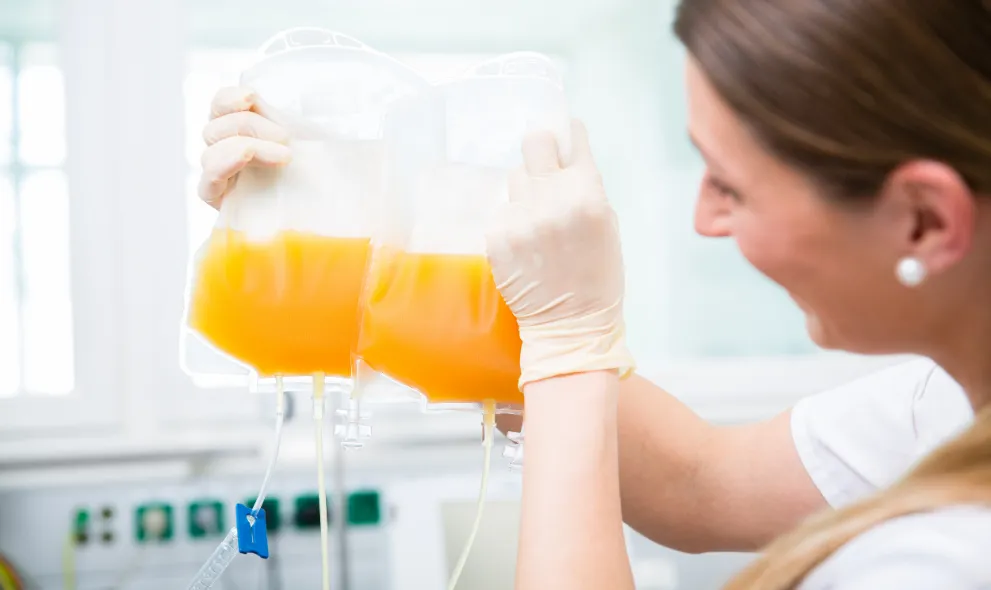
Yes, you can! Unlike traditional blood donation, where donors are not compensated, plasma donation centers typically pay donors for their time and commitment. Plasma is collected through plasmapheresis, which separates plasma from the other components of your blood and then returns the rest to your body. This process takes about 90 minutes.
How Much Money Can You Make Donating Plasma?
The amount you can earn varies depending on the plasma center, location, and the incentives offered. On average, donors receive between $30 and $70 per donation. With bonuses and referral incentives, you could earn $400 or more per month. Frequent donors who meet the maximum donation schedule of twice per week can sometimes make up to $1,000 monthly, depending on the center. Notable Centers:
- CSL Plasma and BioLife Plasma Services are among the largest plasma donation centers in the U.S., offering competitive compensation and loyalty rewards.
- Policies and incentives may vary, so it’s worth comparing centers near you.
Why Do You Get Paid for Plasma but Not Blood?
The difference lies in the use and collection process. Paid plasma, known as “source plasma,” is used to make medicinal products and is often exported internationally. On the other hand, blood donations are used directly for transfusions, and paying donors could discourage voluntary contributions that are essential for ethical and safety reasons. Additionally, plasma donation is regulated by the FDA, and centers must follow strict safety protocols to ensure the integrity of the plasma collected.
How Often Can You Donate Plasma?
Plasma regenerates quickly, allowing healthy individuals to donate up to twice per week if there are at least 48 hours between donations. However, you need to donate twice within six months at the same center to become a qualified donor. Once qualified, your plasma can be used to create life-saving treatments. For nonprofit centers like the American Red Cross, plasma donation is less frequent—about once every 28 days.
What Are the Eligibility Requirements for Plasma Donation?
To donate plasma, you must:
- Be at least 18 years old
- Weigh a minimum of 110 lbs
- Pass a medical exam and screening for diseases like hepatitis and HIV
- Avoid tattoos or piercings for at least four months prior
Preparation is Key:
- Stay hydrated
- Eat an iron-rich meal beforehand
- Avoid alcohol and caffeine
- Bring proper identification If you need medications to manage chronic conditions or maintain your health, RxLess® can help you find affordable prescription options to stay eligible for donation.
Is Donating Plasma Safe?
Donating plasma is generally safe when done at reputable centers. Most side effects are mild and temporary, such as:
- Fatigue
- Bruising at the needle site
- Dizziness or lightheadedness
- Dehydration Some donors may experience a citrate reaction, a temporary drop in calcium levels due to the anti-clotting agent used during the procedure. Severe complications are rare, but long-term donors might develop minor scarring at the needle site.
Maintaining good health is crucial for plasma donation. If you need supplements or medications to prepare for donation, join the RxLess® Assurance Plan to get exclusive member prescription discounts to make wellness more affordable – just download the free app!
Why Is Plasma Donation Important?
Plasma plays a critical role in medical treatments for conditions such as:
- Severe liver disease
- Autoimmune disorders (e.g., lupus, multiple sclerosis, rheumatoid arthritis, and myasthenia gravis)
- Hemophilia
- Trauma and burn recovery Plasma is essential for life-saving treatments, such as those for autoimmune disorders and hemophilia. If you or someone you know relies on these treatments, the RxLess® Assurance Plan can help reduce the financial burden of associated medications.
Quick Facts About Plasma Donation
- Donation Frequency: Up to twice per week (48 hours between donations)
- Pay Range: $30–$70 per donation; up to $1,000/month with bonuses
- Eligibility: 18+ years old, minimum 110 lbs, pass medical screening
- Preparation Tips: Stay hydrated, eat iron-rich foods, avoid alcohol/caffeine For those interested in donating plasma or benefiting from the treatments it supports, plasma donation is a life-saving process that offers both personal rewards and financial incentives.