

Written and medically reviewed by Dorcas Morak, Pharm.D
Your eyes work constantly throughout the day, yet many people don’t think about eye health until symptoms begin affecting daily life. Conditions such as dry eye disease, glaucoma, eye allergies, and age-related macular degeneration (AMD) are extremely common and can cause discomfort, blurry vision, irritation, or even permanent vision loss if left untreated. Fortunately, many effective medications and treatments are available to help manage symptoms, protect vision, and improve quality of life.
Dry Eye Disease Symptoms, Causes, and Treatment Options
Dry eye disease occurs when the eyes don’t produce enough tears or when tears evaporate too quickly, leaving the ocular surface unprotected. It affects an estimated 16 million Americans and is especially common in adults over 50, contact lens wearers, and people who spend extended time on screens. Symptoms may include:
- Burning or stinging eyes
- Blurry vision
- Eye fatigue
- Redness
- A gritty or sandy sensation
- Excessive tearing
For frequent symptoms, preservative-free artificial tears are often recommended because they may be less irritating with repeated use.
Best Eye Drops and Medications for Dry Eye Disease
Over-the-counter artificial tears such as Refresh Tears, Systane Ultra, Blink Tears, and TheraTears provide immediate lubrication for mild symptoms.
For moderate to severe dry eye disease, prescription options include cyclosporine ophthalmic emulsion (Restasis), lifitegrast (Xiidra), and perfluorohexyloctane ophthalmic solution (Miebo), which help manage underlying causes of dry eye disease such as inflammation and excessive tear evaporation.
People who wear contact lenses should avoid using certain eye drops unless labeled safe for contacts and should always follow proper lens hygiene to reduce irritation and infection risk.
Glaucoma Symptoms, Eye Pressure, and Treatment Options
Glaucoma is a group of eye diseases that damage the optic nerve, most commonly due to elevated intraocular pressure (IOP). It is one of the leading causes of irreversible blindness worldwide, affecting more than 3 million Americans — with many unaware they have it because early-stage glaucoma rarely causes symptoms. Risk factors include:
- Age over 60
- Family history of glaucoma
- Diabetes
- High blood pressure
- Long-term corticosteroid use
- African American or Hispanic ancestry
Because glaucoma damage cannot be reversed, taking medications consistently as prescribed is essential to slowing disease progression and protecting vision.
Common Glaucoma Eye Drops and Medications
Prostaglandin analogs are commonly prescribed first-line treatments because they effectively lower eye pressure with once-daily dosing. Common options include latanoprost (Xalatan), bimatoprost (Lumigan), and travoprost (Travatan Z).
Other glaucoma medications include:
- Beta-blockers such as timolol
- Alpha agonists like brimonidine (Alphagan P)
- Carbonic anhydrase inhibitors including dorzolamide (Trusopt) and brinzolamide (Azopt)
Combination eye drops may also be prescribed, including:
Eye Allergies (Allergic Conjunctivitis): Symptoms and Causes
Allergic conjunctivitis occurs when the eyes react to airborne allergens such as pollen, pet dander, mold, or dust mites. This triggers histamine release, leading to itching, redness, tearing, swelling, and watery eyes. Eye allergies are very common and tend to worsen during spring and fall allergy seasons.
Best Allergy Eye Drops for Itchy and Red Eyes
Antihistamine and mast cell stabilizer eye drops are among the most effective options for allergic eye symptoms. Common over-the-counter options include:
- ketotifen (Alaway, Zaditor)
- olopatadine (Pataday)
Prescription allergy eye drops include:
- olopatadine (Pazeo)
- epinastine (Elestat)
- alcaftadine (Lastacaft)
These medications help reduce itching, redness, and irritation caused by seasonal or environmental allergens.
Oral Allergy Medications That May Help Eye Symptoms
Second-generation oral antihistamines such as cetirizine (Zyrtec), loratadine (Claritin), and fexofenadine (Allegra) may also reduce eye itching and redness by controlling the body’s overall allergic response.
For people experiencing both nasal and eye allergy symptoms, combining an oral antihistamine with allergy eye drops may provide better relief than either treatment alone.
What Is Age-Related Macular Degeneration (AMD)?
Age-related macular degeneration (AMD) is a progressive eye disease that damages the macula — the part of the retina responsible for sharp central vision. AMD is one of the leading causes of vision loss in adults over 50. Early symptoms may include:
- Blurred central vision
- Difficulty reading
- Distorted straight lines
- Trouble recognizing faces
What Medications Treat AMD?
Wet AMD may be treated with anti-VEGF injections that help slow abnormal blood vessel growth and reduce vision loss. Common medications include:
Early diagnosis and ongoing treatment are important for preserving vision and slowing disease progression.
Warning Signs You Should See an Eye Doctor
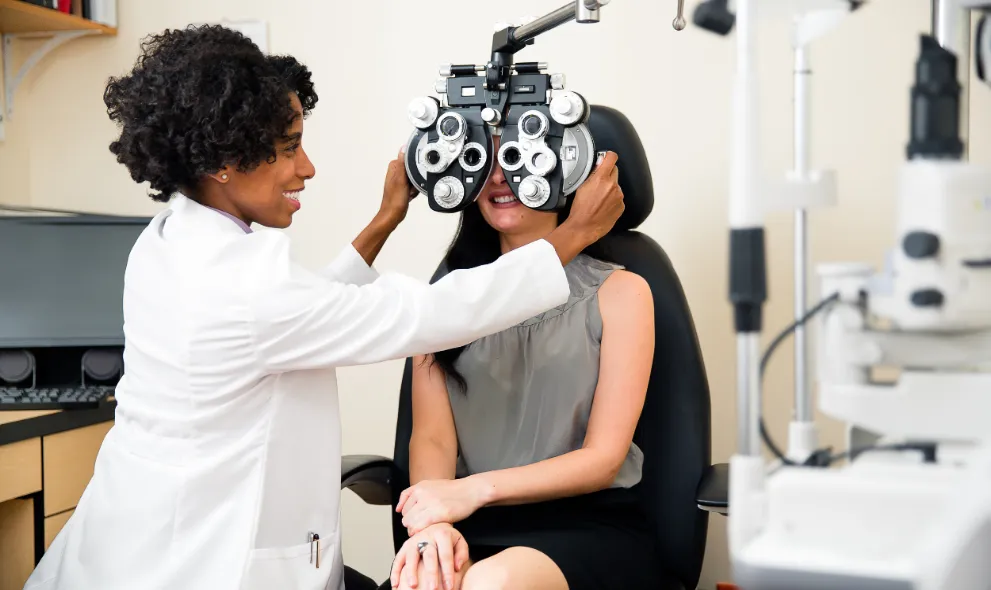
Adults should have a comprehensive dilated eye exam every one to two years, even without noticeable symptoms, since many eye diseases develop gradually and silently. Seek prompt medical attention for:
- Sudden vision changes
- Eye pain
- Persistent redness
- Flashes of light
- New floaters
- Halos around lights
- Sudden loss of vision
How to Save Money on Eye Medications
The RxLess® Assurance Plan helps users compare real-time prescription prices on medications used to treat eye conditions such as glaucoma, dry eye disease, and allergies. Free digital coupons accepted at pharmacies nationwide may help reduce out-of-pocket medication costs.