

Written and medically reviewed by Dorcas Morak, Pharm.D
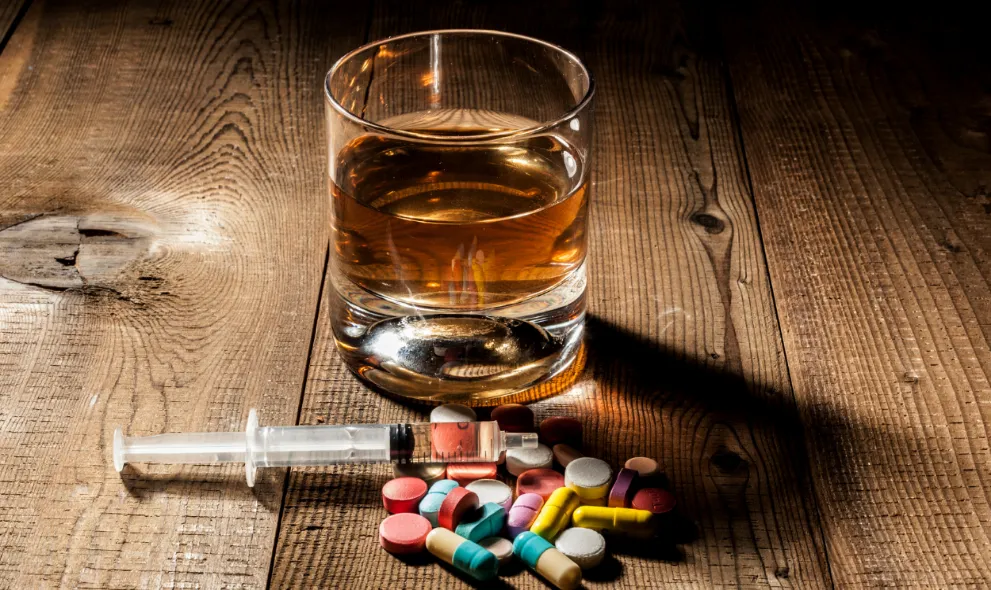
Alcohol can interact with many prescription and over-the-counter medications, sometimes causing effects that range from increased drowsiness and dizziness to dangerous breathing problems, bleeding, or changes in blood sugar. Alcohol may also change how certain medications work or how they're processed by the body.
Because the risks vary depending on the medication, how much alcohol you drink, your age, and other health factors, it's important to understand potential interactions before drinking while taking medication.
Why Does Alcohol Interact with Prescription Medications?
Alcohol affects several systems in the body, including the brain, liver, digestive system, and cardiovascular system. Depending on the medication, alcohol may intensify side effects, change how quickly a drug is metabolized, or alter the medication's effects.
Some combinations are particularly dangerous because both alcohol and the medication slow activity in the central nervous system. Others can increase the risk of bleeding, liver damage, low blood sugar, or changes in blood pressure.
Why Is Mixing Alcohol with Opioid Pain Medications Dangerous?
Combining alcohol with opioid pain medications such as oxycodone, hydrocodone, or morphine can dangerously slow breathing and increase the risk of overdose.
Both opioids and alcohol depress the central nervous system. Taking them together can cause extreme drowsiness, impaired coordination, loss of consciousness, respiratory depression, and potentially death. Alcohol should be avoided when taking opioids unless your healthcare provider specifically tells you otherwise.
Can You Drink Alcohol While Taking Benzodiazepines or Sleep Medications?
Alcohol can significantly increase the sedative effects of benzodiazepines such as alprazolam (Xanax) and lorazepam (Ativan), as well as sleep medications such as zolpidem (Ambien).
Combining these medications with alcohol can lead to extreme drowsiness, poor coordination, memory problems, falls, slowed breathing, and overdose. Because these effects can be unpredictable, avoiding alcohol is particularly important when taking medications that cause sedation.
Can You Drink Alcohol While Taking Antidepressants or Anxiety Medications?
Alcohol may worsen symptoms of depression or anxiety and can increase side effects such as drowsiness, dizziness, and impaired coordination with certain antidepressants, including sertraline (Zoloft).
Extra caution is required with monoamine oxidase inhibitors (MAOIs), such as phenelzine (Nardil) and tranylcypromine (Parnate). Some alcoholic beverages, particularly certain beers and wines that contain higher levels of tyramine, can contribute to a dangerous increase in blood pressure when taken with an MAOI.
If you take an antidepressant or anxiety medication, ask your healthcare provider whether alcohol should be avoided.
Can You Drink Alcohol While Taking Blood Thinners?
Alcohol can increase bleeding risk in people taking anticoagulants, but the interaction varies depending on the medication and drinking pattern.
With warfarin (Coumadin), alcohol can affect how the medication is processed and may interfere with anticoagulation control. Heavy or inconsistent drinking can make the effects of warfarin more difficult to predict, which is especially concerning because the medication requires careful monitoring.
Other anticoagulants, such as apixaban (Eliquis) and rivaroxaban (Xarelto), work differently from warfarin but can still increase bleeding risk. Ask your healthcare provider how much, if any, alcohol is appropriate with your specific blood thinner.
How Does Alcohol Interact with Diabetes Medications and Insulin?
Alcohol can lower blood sugar, sometimes for hours after drinking. The risk of hypoglycemia is especially important for people who use insulin or sulfonylureas such as glipizide or glyburide.
Alcohol interferes with the liver's ability to release stored glucose, and drinking without eating can increase the risk further. Symptoms of low blood sugar—including confusion, drowsiness, dizziness, and poor coordination—can also resemble intoxication, making hypoglycemia more difficult to recognize.
Not every diabetes medication carries the same alcohol-related risks, so talk with your healthcare provider about whether and how you can safely drink while taking your specific medication.
Can Alcohol Interact with Blood Pressure and Heart Medications?
Alcohol can affect blood pressure and heart rate and may increase side effects from certain cardiovascular medications. Depending on the medication, drinking alcohol may contribute to dizziness, lightheadedness, fainting, or changes in blood pressure.
People taking blood pressure medications such as lisinopril, beta blockers such as metoprolol, calcium channel blockers such as verapamil, or nitrates such as nitroglycerin should ask their healthcare provider whether alcohol is safe for them.
Heavy alcohol use can also contribute to high blood pressure and abnormal heart rhythms, potentially making cardiovascular conditions more difficult to manage.
Which Antibiotics Should Not Be Mixed with Alcohol?
Most antibiotics do not have a dangerous direct interaction with alcohol, although drinking may worsen side effects such as nausea, dizziness, or stomach upset.
However, certain antibiotics have specific alcohol warnings. Alcohol should be avoided while taking metronidazole (Flagyl) and for at least three days after the final dose. The same precaution applies to tinidazole (Tindamax).
Combining these medications with alcohol may cause nausea, vomiting, stomach cramps, headache, flushing, or a rapid heartbeat. Always check your prescription label and ask your pharmacist about alcohol restrictions for your specific antibiotic.
Can You Mix Alcohol with Acetaminophen, Ibuprofen, or Cold Medicine?
Over-the-counter medications can interact with alcohol, too. Regular or heavy alcohol use combined with acetaminophen (Tylenol) can increase the risk of liver damage, particularly when acetaminophen is taken at higher-than-recommended doses.
NSAID pain relievers such as ibuprofen (Advil, Motrin), naproxen (Aleve), and aspirin can irritate the stomach lining, and alcohol can further increase the risk of gastrointestinal bleeding.
Cold, allergy, and sleep products may also contain sedating ingredients such as diphenhydramine (Benadryl) or doxylamine (Unisom). Alcohol can intensify their effects, increasing drowsiness, dizziness, and impaired coordination. Some cough and cold products also contain multiple active ingredients, including acetaminophen or dextromethorphan, so check the label carefully before drinking.
Why Are Alcohol and Medication Interactions Riskier for Older Adults?
Older adults may be particularly vulnerable to alcohol-medication interactions. As people age, the body may process alcohol differently, and older adults are also more likely to take multiple prescription and over-the-counter medications.
Alcohol combined with medications that cause sedation or lower blood pressure can increase the risk of dizziness, confusion, falls, and injuries. Taking several medications can further increase the possibility of an interaction.
If you take multiple medications, consider reviewing your complete medication list—including prescription drugs, over-the-counter products, and supplements—with your doctor or pharmacist.
When Is It Safe to Take Medication Before or After Drinking Alcohol?
There is no universal number of hours that makes it safe to drink alcohol before or after taking medication. Some medications remain in the body for many hours or even days, meaning an interaction may occur even when alcohol and the medication aren't taken at the same time.
Instead of trying to calculate when alcohol has cleared your system, follow the alcohol warnings on your medication label and ask your pharmacist or healthcare provider for guidance specific to the medication you're taking.
Never skip or delay prescribed medication simply so you can drink alcohol unless your healthcare provider has specifically instructed you to do so.
What Should You Do If You Accidentally Mix Alcohol and Medication?
What you should do depends on the medication, the amount of alcohol consumed, and whether you're experiencing symptoms. If you're unsure about the potential interaction, contact your pharmacist or healthcare provider for guidance.
Seek immediate medical attention for serious symptoms such as difficulty breathing, severe confusion, loss of consciousness, inability to wake, seizures, fainting, or signs of significant bleeding.
If you think you may have combined alcohol with a medication that could cause a dangerous interaction and you develop serious symptoms, don't drive yourself for medical care; call 911.
Save on Prescriptions with the RxLess® Assurance Plan
Medication safety starts with knowing what you're taking, how to take it correctly, and what substances may interact with it. Your pharmacist or healthcare provider can answer questions about whether alcohol is safe with your medications.
When it's time to fill a prescription, the RxLess® Assurance Plan can help you compare prescription prices at participating pharmacies. Free digital coupons are accepted at more than 70,000 pharmacies nationwide, and prices may vary by pharmacy.
Download the free RxLess® app to check prices on your medications and start saving whenever you fill a prescription at a participating pharmacy.