

Written and medically reviewed by Dorcas Morak, Pharm.D
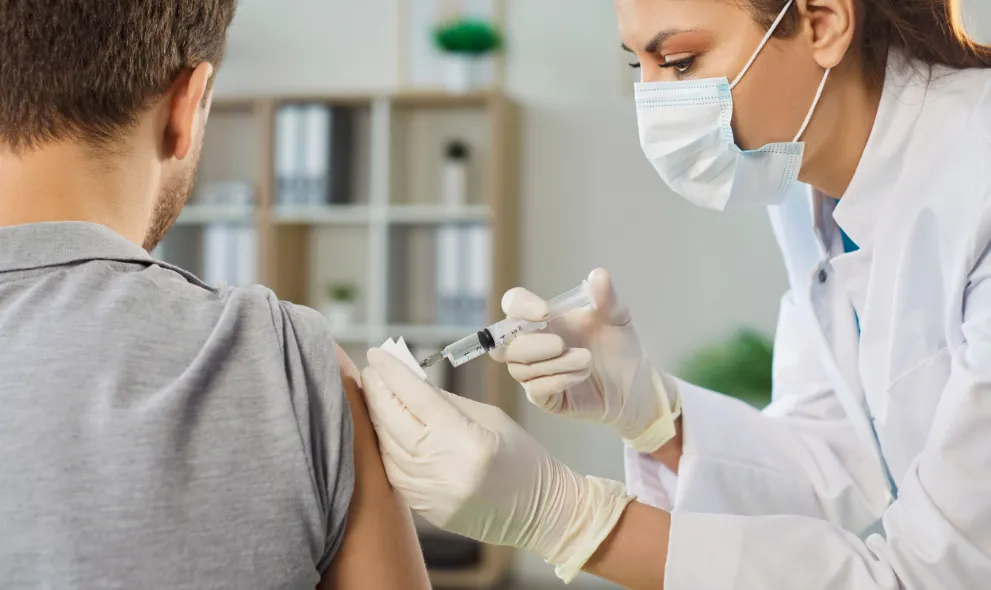
August is National Immunization Awareness Month—a timely reminder that millions of adults are unknowingly missing vaccines that could prevent serious, costly illnesses.
Most Americans associate vaccines with childhood, but adults need them too—and many are overdue without realizing it. Staying current on vaccinations is one of the most effective ways to protect your health, reduce the risk of serious disease, and avoid costly medical bills. Whether you have insurance or not, there are options to help you get the protection you need.
Adult Vaccines Recommended by the CDC
The CDC recommends several vaccines for adults depending on age, health status, occupation, and lifestyle. Core adult vaccines include:
- Annual influenza (flu) vaccine
- Tdap (tetanus, diphtheria, and pertussis) vaccine every 10 years
- COVID-19 vaccines and boosters as recommended
- Pneumococcal vaccines for adults age 50 and older and certain high-risk individuals
- Shingles vaccine for adults age 50 and older
- RSV vaccine for eligible older adults
- Hepatitis B vaccine
- HPV vaccine for eligible adults
Your healthcare provider or pharmacist can help determine which vaccines are appropriate based on your age and medical history.
Shingles Vaccine: Who Needs Shingrix?
Shingrix, the recombinant zoster vaccine (RZV), is recommended for all adults age 50 and older. It is administered as a two-dose series.
Shingles occurs when the chickenpox virus reactivates later in life and can cause severe nerve pain that lasts months—or even years—after the rash disappears. Vaccination is the most effective way to reduce the risk of both shingles and long-term complications.
Even adults who previously received the older Zostavax vaccine should receive Shingrix because it provides stronger and longer-lasting protection.
RSV Vaccines for Older Adults
Respiratory syncytial virus (RSV) is often associated with infants, but it can also cause serious illness in older adults.
The CDC recommends a one-time RSV vaccine for:
- All adults age 75 and older
- Adults ages 60–74 who are at increased risk for severe RSV disease
Available RSV vaccines include:
Vaccination may be especially important for adults with chronic heart disease, lung disease, diabetes, weakened immune systems, or other high-risk conditions.
HPV Vaccination for Adults
Gardasil 9 is recommended for all adults through age 26 if they were not adequately vaccinated earlier in life.
Adults ages 27 through 45 may also benefit from vaccination after discussing their individual risk factors with a healthcare provider.
HPV vaccination helps prevent infections that can lead to:
- Cervical cancer
- Throat and oral cancers
- Anal cancer
- Certain genital cancers
Many adults mistakenly believe they are too old to benefit from vaccination, making this an important topic to discuss during routine medical visits.
Why Hepatitis B Vaccination Matters
The CDC recommends hepatitis B vaccination for all unvaccinated adults through age 59 and for many adults age 60 and older.
Common vaccine options include:
- Heplisav-B (two-dose series)
- Engerix-B (three-dose series)
- Recombivax HB (three-dose series)
Hepatitis B can silently damage the liver for years before symptoms develop. Vaccination remains the most effective way to prevent chronic infection and its long-term complications.
Commonly Missed Vaccines for Seniors
Adults age 65 and older frequently miss important vaccinations, including:
- Annual flu vaccines, including higher-dose options such as Fluzone High-Dose and Fluad
- Pneumococcal vaccines
- RSV vaccines
- Completion of the two-dose Shingrix series
Because older adults face a higher risk of hospitalization and complications from vaccine-preventable illnesses, reviewing vaccination status annually with a pharmacist or healthcare provider is a smart preventive health step.
Do You Need Travel Vaccines?
If you're planning international travel, additional vaccines may be recommended depending on your destination.
Common travel vaccines include:
Some travel vaccines require multiple doses or must be administered weeks before departure, so it is best to plan ahead.
Vaccine Costs Without Insurance
Without insurance, vaccine costs can vary significantly.
Typical cash prices may include:
- Flu vaccine: approximately $25–$60
- Shingrix: often more than $200 per dose
- RSV vaccines: frequently $300 or more
- Tdap: approximately $50–$100
- HPV vaccine: often more than $250 per dose
For uninsured or underinsured adults, these costs can become a significant barrier to staying protected.
Programs That Help Pay for Vaccines
Several resources may help reduce vaccine costs for uninsured adults.
Options may include:
- Local health departments
- Federally Qualified Health Centers (FQHCs)
- Community health clinics
- Manufacturer patient assistance programs
- State vaccination assistance programs
- Using the discounts found through the RxLess® Assurance Plan
Many pharmacies also offer seasonal vaccine promotions, especially during flu season. Calling ahead to ask about cash pricing and available discounts can help you find the most affordable option.
Saving on Medications Used to Treat Vaccine-Preventable Illnesses
Vaccines are one of the best ways to prevent serious illness, but they don't eliminate risk entirely. Even vaccinated individuals can occasionally become ill, and those who are unvaccinated may face a greater risk of infection and complications. When treatment is needed, prescription costs can quickly add up.
The RxLess® Assurance Plan helps consumers compare prescription prices at more than 70,000 pharmacies nationwide, making it easier to find affordable options for many medications commonly used to treat vaccine-preventable illnesses.
Examples include:
Influenza Medications
- Oseltamivir (Tamiflu)
- Baloxavir marboxil (Xofluza)
Shingles Medications
- Valacyclovir (Valtrex)
- Acyclovir (Zovirax)
Pneumonia Treatments
- Amoxicillin
- Doxycycline
- Azithromycin (Zithromax)
COVID-19 Treatment
- Nirmatrelvir/ritonavir (Paxlovid)
How to Check Your Adult Vaccination Status
Not sure which vaccines you've already received?
You may be able to locate your records through:
- Your state's Immunization Information System (IIS)
- Your primary care provider
- Pharmacies where vaccines were administered
- School or employment health records
Your pharmacist is also an excellent resource for reviewing vaccination history and identifying any gaps in protection.
National Immunization Awareness Month is the perfect reminder to spend a few minutes reviewing your vaccination status. Staying up to date can help prevent serious illness, reduce healthcare costs, and protect both you and those around you.