

Written and medically reviewed by Dorcas Morak, Pharm.D
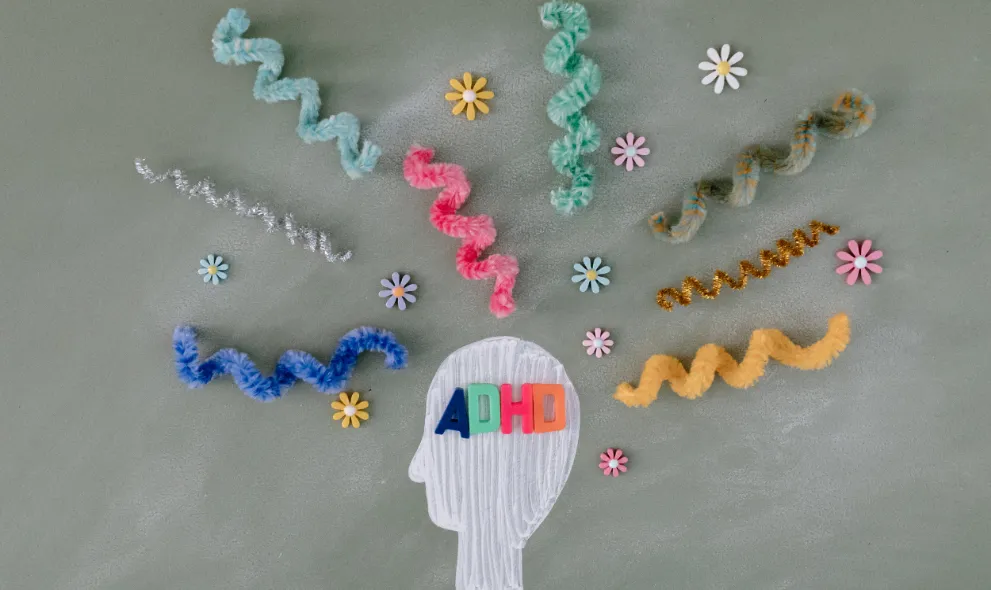
Every October, ADHD Awareness Month is observed to raise public understanding and reduce the stigma associated with Attention-Deficit/Hyperactivity Disorder (ADHD). This national campaign not only educates but also empowers individuals to support those affected by ADHD. The goal is to provide resources and foster an environment where people living with ADHD can thrive.
What Is ADHD?
Attention-Deficit/Hyperactivity Disorder (ADHD) is a neurodevelopmental condition that affects both children and adults. Its hallmark symptoms—inattention, hyperactivity, and impulsivity—can significantly impact academic, occupational, and social functioning.
There are three recognized subtypes of ADHD:
- Predominantly Inattentive
- Predominantly Hyperactive-Impulsive
- Combined Presentation Despite the challenges, many people with ADHD possess unique strengths, including creativity, problem-solving skills, and the ability to hyperfocus on tasks that interest them. ADHD is estimated to affect up to 7.2% of children and 4% of adults globally, though many individuals—especially women and minorities—remain undiagnosed or misdiagnosed.
Common Treatments for ADHD
ADHD treatment is highly individualized and often includes a combination of medication, therapy, behavioral strategies, and environmental adjustments.
Stimulant Medications These are the most commonly prescribed ADHD treatments. They work by increasing dopamine and norepinephrine levels in the brain, improving focus and reducing impulsivity. Examples include:
- Methylphenidate-based: Ritalin, Concerta, Daytrana (patch), Metadate CD
- Amphetamine-based: Adderall, Adderall XR, Vyvanse, Evekeo
Non-Stimulant Medications These may be used when stimulants are ineffective or cause side effects. They often take longer to work but can be equally effective for some individuals. Examples include:
- Atomoxetine (Strattera) – a norepinephrine reuptake inhibitor
- Guanfacine ER (Intuniv) – originally used for blood pressure, it helps reduce hyperactivity and impulsivity
- Clonidine ER (Kapvay) – also helps manage impulsivity and sleep issues All medications should be used under the guidance of a healthcare professional, as responses can vary widely.
How Can I Support Someone with ADHD?
Awareness is a powerful first step. Whether you’re a parent, friend, teacher, or coworker, there are many ways to provide meaningful support:
- Educate yourself about ADHD beyond stereotypes
- Practice empathy and patience
- Encourage professional diagnosis and treatment
- Support routine and structure
- Promote mindfulness and time management tools
- Respect medication schedules and therapy plans
- Advocate for accommodations in school or work settings
- Encourage participation in ADHD support groups or coaching Creating an inclusive environment—at home, school, or work—helps individuals with ADHD succeed on their own terms.
How to Save on ADHD Medications
Medications like Adderall, Ritalin, Vyvanse, Intuniv, and Strattera can be costly—especially without insurance or with high out-of-pocket deductibles. The RxLess® Assurance Plan helps reduce this burden by offering:
- Free access to a nationwide prescription savings platform
- Real-time price comparisons at 70,000+ pharmacies
- No membership fees or insurance requirements
Just download the free app, search for your medication using the Real-Time Price Finder, present the coupon at your pharmacy, and save—often up to 88% off retail prices.
Why ADHD Awareness Should Be Year-Round
ADHD impacts every stage of life—from childhood academic struggles to challenges in adult employment and relationships. While October provides a vital platform for visibility and advocacy, the work doesn’t stop there. Year-round efforts are needed to:
- Reduce stigma and misinformation
- Expand access to diagnosis and care
- Promote inclusive environments
- Support innovation, such as digital therapies and newer treatments like Qelbree (viloxazine)
By prioritizing education, affordability, and acceptance, we can ensure that individuals with ADHD are empowered—not limited—by their diagnosis.